
Serialised, But Not Secure: Why Compliance Alone Won’t Stop Fake Medicines

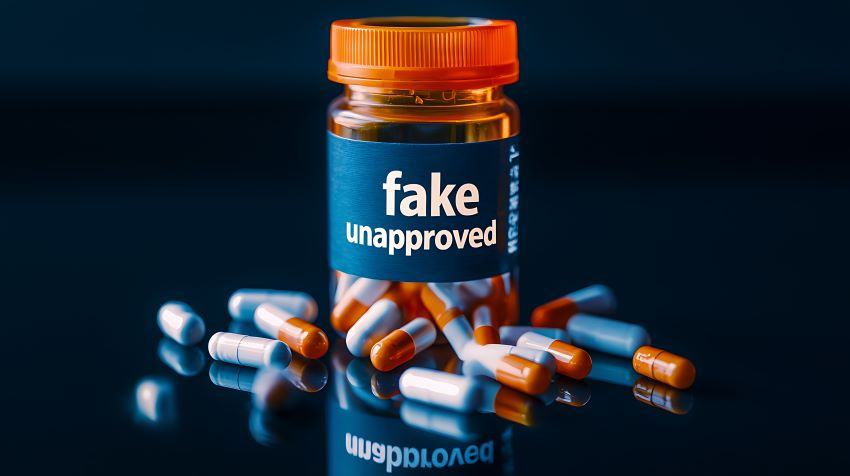
A recent article by Sean O’Hearen 1 of brand protection firm 1st Line Partners, brings the limitations of pharmaceutical serialisation into sharp focus. Drawing on frontline experience in counter-illicit trade, the piece argues that while regulatory frameworks have transformed supply chain visibility, they have not delivered the level of security many assume.
The global rollout of pharmaceutical serialisation has been one of the most significant regulatory shifts in supply chain control over the past decade. Driven by frameworks such as the EU Falsified Medicines Directive and US Drug Supply Chain Security Act, more than 50 countries have implemented or are developing systems designed to improve visibility, traceability and recall effectiveness.
But as these systems mature, a more uncomfortable reality is becoming clear: serialisation, while essential, is not a security solution, a position that Tax Stamp & Authentication News™ supports totally and has long argued for.
At its core, serialisation was never designed to prevent counterfeiting, explains the article. It was introduced to create transparency across complex, globalised supply chains: to track products, verify transactions and enable more efficient regulatory oversight. In that respect, it has been broadly successful. Vast volumes of data are now generated at every stage of the pharmaceutical lifecycle, from manufacture to dispensing.
Subscriber content
Read the full article
Full access to Tax Stamp & Authentication News™ articles, newsletters and archives.