
How Wine Authentication Is Moving Beyond Origin Labels

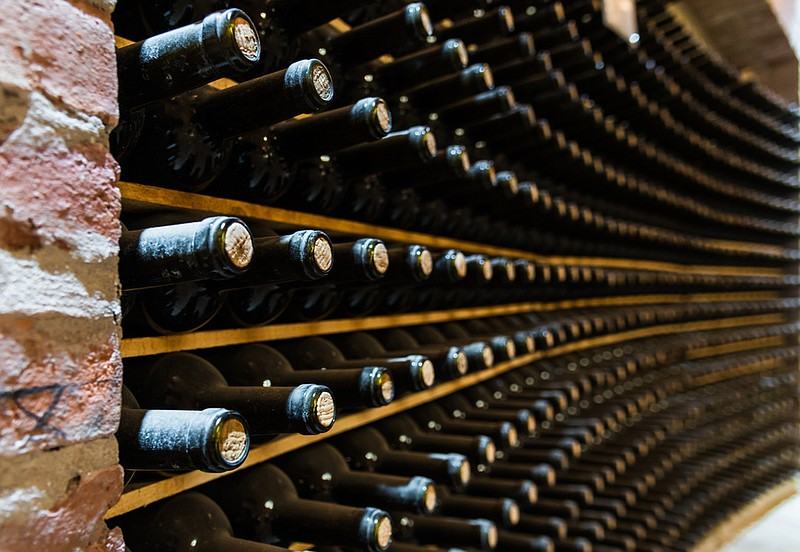
The seizure of 2.5 million litres of counterfeit origin-labelled wine in Italy in March 2026 is a stark reminder that even the most established appellation systems are no longer immune to fraud.
With an estimated market value of €4 million, the case uncovered by Italy’s financial police highlights a growing vulnerability in premium wine markets. Crucially, the counterfeit products were presented as certified origin wines – carrying fraudulent or misused appellation identifiers designed to imitate legitimate quality designations.
In a sector where value is intrinsically tied to provenance, traditional safeguards are being tested by increasingly complex supply chains, globalised trade, and the rise of e-commerce.
Against this backdrop, appellation organisations are beginning to strengthen their protection mechanisms in a more targeted and systematic way. Most notably, the Crus Bourgeois du Médoc – bringing together around 170 châteaux – has upgraded its existing authentication framework and will now rely on individualised, digital verification at the level of each individual bottle.
Under the new approach, all wines marketed under the Crus Bourgeois du Médoc name will be equipped with the ValiGate® solution from KURZ SCRIBOS, enabling secure, item-level authentication and traceability.
ValiGate consists of a patented security pattern embedded in a QR code. The code can be scanned by a smartphone, without the need to download a special app. Upon scanning, users are redirected to a secure platform that confirms authenticity while providing structured product information. Each scan also enables access to a dedicated château profile with information about the estate, its wines and vintages.
For the industry, this approach marks a noticeable shift: the bottle is evolving from a mere carrier of origin information into a digital access point. Authentication, transparency and communication are thus becoming more closely intertwined and are turning into a central component of modern appellation systems.
In light of increasing cases of fraud, this development is likely to accelerate further. Systems that do not merely declare origin, but make it verifiable, are increasingly evolving from an optional add-on into a structural element of quality assurance in the wine market.
Get the TSAN Weekly News delivered free to your inbox.