
LIQUI MOLY Deploys Non-Copyable QR Codes to Combat Fake Lubricants

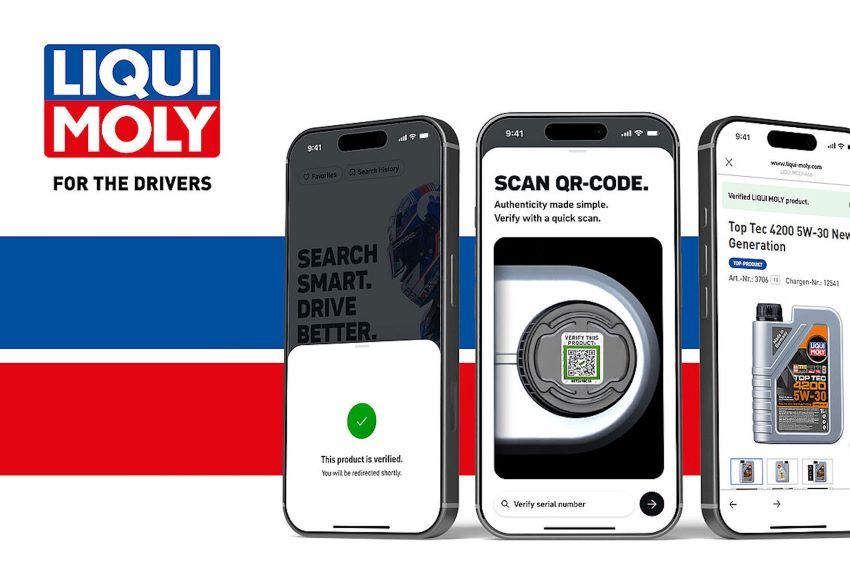
German lubricant manufacturer LIQUI MOLY has introduced a new anticounterfeiting system based on non-copyable QR codes. The system, developed by authentic.network, is being rolled out across LIQUI MOLY's global product portfolio and is designed to allow distributors, workshops and consumers to verify the authenticity of engine oils using a standard smartphone.
Although the company has not publicly disclosed the technical details of the security mechanism, the system appears to rely on the authentication of the printed graphic itself rather than simply the data encoded within it. This means that the authentication process evaluates whether the physical code being scanned is an original printed instance rather than merely checking whether the identifier exists in a database.
The distinction is significant. Traditional QR authentication answers the question: ‘is this code recognised?’ A non-copyable code aims to answer a more demanding question: ‘is this the original code that was issued?’ One of the notable aspects of the deployment is that authentication can be performed using a standard smartphone without specialised hardware.
Users scan the code using their phone camera, which connects to a cloud-based authentication platform. The system analyses the scanned image and compares it against the characteristics of the original digital identity. If the result is unambiguous, the user receives an immediate authenticity response.
LIQUI MOLY says that where anomalies are detected, users can be directed to the company's mobile application for additional verification procedures. This suggests the system employs a multi-level authentication workflow in which straightforward cases are resolved automatically while suspicious scans undergo enhanced scrutiny.
The launch reflects a broader shift within the authentication sector towards technologies that seek to protect the identifier itself rather than merely the information it contains.
Various technologies have emerged in this space, including copy-detection patterns, secure graphic codes, digital watermarks and artificial-intelligence-based image authentication systems. While their technical approaches differ, they share a common objective: preventing a copied code from producing the same authentication result as the original.
Get the TSAN Weekly News delivered free to your inbox.