
Spotting Fakes and Spoiled Food: A Two-for-One Offer

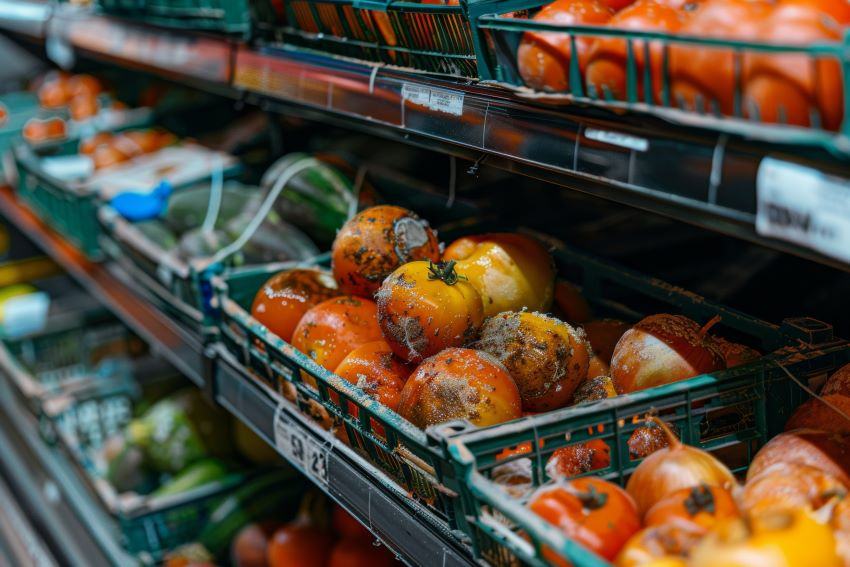
Traditionally, the technologies used to catch counterfeit goods and those used to monitor food safety have had little in common. Anticounterfeiting relies on complex visuals – holograms, microtext, or colour-shifting inks – designed to be hard to copy. Food safety, on the other hand, focuses on detecting chemical changes that signal spoilage, like rising acidity or the release of gases.
But now, scientists have developed a new material that could do both – simultaneously acting as a security feature and a chemical sensor. It’s called a hydrogen-bonded organic framework (HOF), and it may reshape how we protect both products and people.
At the molecular level, these HOFs are built like scaffolding. Their building blocks are organic molecules that stick together using hydrogen bonds – the same forces that give water its surface tension. This structure is rigid enough to create bright, stable colours by bending and reflecting light in precise ways (a phenomenon known as structural colouration) but porous and flexible enough to let chemical vapours get in and cause changes.
Subscriber content
Read the full article
Full access to Tax Stamp & Authentication News™ articles, newsletters and archives.