
South Korean Startup Expands into Global Anticounterfeiting with Layered QR Code


South Korean startup NexpotSolution is emerging as a key player in the anticounterfeiting industry with its proprietary authentication solution, AllmyTAG. Central to this solution is a technology known as the Layer QR Code, designed to address the vulnerabilities of traditional QR codes.
South Korean startup NexpotSolution is emerging as a key player in the anticounterfeiting industry with its proprietary authentication solution, AllmyTAG. Central to this solution is a technology known as the Layer QR Code, designed to address the vulnerabilities of traditional QR codes. AllmyTAG Layer QR Code. Unlike standard QR codes, which can be easily copied or manipulated, Layer QR Codes incorporate – within the image of the code itself – multilevel, machine- detectable security features, such as digital watermarks and hidden patterns or microdefects. The uniquely generated codes can then be printed directly onto product labels without using additional processes or materials, thus eliminating the need for separate authentication labels. The codes, including their security layers, are generated by NexpotSolution’s proprietary software, on secure servers. The codes are generated according to variable data (eg. product serial numbers) received from brand owners or printers. The server then returns the finished Layer QR Codes to the brand owners in the form of high-resolution digital files, ready for printing. Given that the security of the codes lies in the invisible structuring of their graphic design – as opposed to, for example, the chemical composition of the ink they are printed with – the code printing process does not require any special equipment, ink or substrate. However, what is required is high-precision printing, given that tiny features like hidden points, micropatterns, and embedded watermarks require fine print resolution of typically 600 dpi or higher. Verification process Once the codes are in the market, consumers or inspectors can verify them using a smartphone with either a standard camera app or a special verification app. Scanning the code opens a web link that connects to NexpotSolution’s secure backend (or the brand’s hosted backend using AllmyTAG verification logic). No authentication is carried out on the phone itself – it all happens server-side by means of verification algorithms. During the verification process, the server analyses multiple security layers, checking for: ■ Data integrity – does the code match the expected encrypted pattern? ■ Watermarks – invisible watermarks are extracted from the code structure and verified. ■ Hidden security points – certain pixel arrangements (invisible to the eye) are detected and verified. ■ Serial number – is this a legitimate issued code? Was it generated by the proprietary system? ■ Usage history – has this code been scanned before? When and where? (to detect copies or reuse). Commercially ready AllmyTAG has been designed for mass adoption in industries like cosmetics or lubricants, where high-speed packaging lines can’t accommodate security features such as holograms or security threads. The solution aims to strike a balance between being easy to deploy but hard to fake. One of the most notable brands currently using the technology is SK Enmove’s ZIC lubricants. This real-world deployment highlights the technology’s commercial readiness and global relevance. To support scalability, NexpotSolution has also developed a PDF-based variable element generation engine, which allows for the secure production of QR codes in large volumes. The company’s innovations extend beyond security, with its AD-QR platform merging product authentication with marketing, by connecting consumers directly to online stores, social media, and brand promotions through a simple scan. With a solid foundation in South Korea, the company is now looking to expand into the apparel, food, and beverage sectors. Regions such as China, Southeast Asia, and Russia – known hotspots for counterfeiting – are on the company’s radar, and plans are also underway to enter the European market. NexpotSolution’s growth strategy gained momentum in 2023 when it participated in an overseas investor relations programme organised by the Gyeonggi Business and Science Accelerator. This exposure helped the startup build international investor networks and validate its global market potential. It is now preparing for a pre-Series A funding round to support its overseas operations and expand its team. ‘We may be a small startup, but we believe we possess world-class core technology in product authentication,’ said CFO Gileon Han. ‘We will continue to enhance our technology and maintain a competitive edge globally. We welcome ongoing interest from institutions and investors.’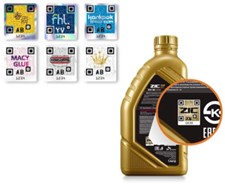
Subscriber content
Read the full article
Full access to Tax Stamp & Authentication News™ articles, newsletters and archives.