
Edible QR Codes to Counter Fake Liquor?

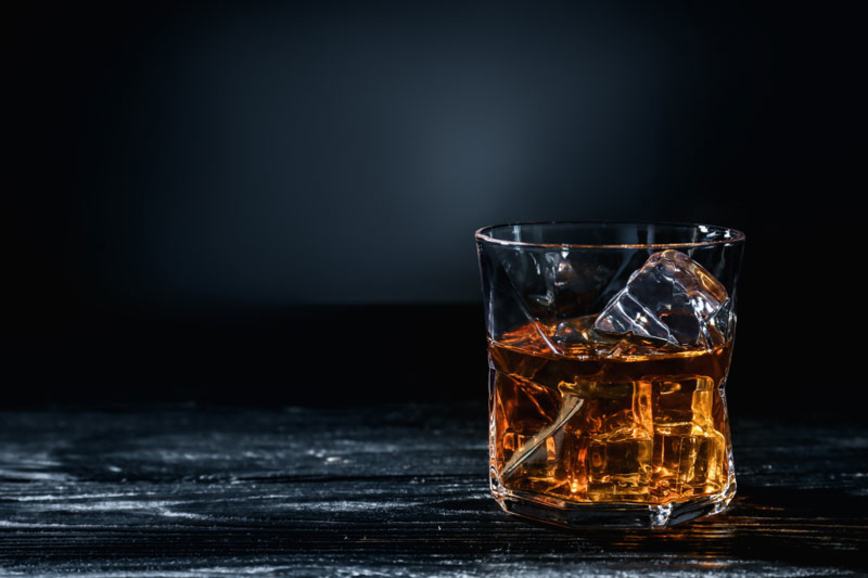
Counterfeit liquor, which for years has been a problem for connoisseurs of fine wine, champagnes, and single- malt scotch, has started to become an issue for America’s fine brown liquor – bourbon.
Although several technologies – including enhanced overt, covert, and digital security features – exist for authenticating the bottle, no technology has existed to authenticate the content – the liquor itself.
Edible QR codes have been developed to provide anti-counterfeit authentication for pharmaceuticals down to the pill level.
The edible codes were created by researchers using processed silk proteins from genetically modified silkworms. The researchers formed these proteins into a variety of patterns to encode information. They used various types of silk protein, from silkworms genetically modified to produce silk with a distinct fluorescence emission colour (red, cyan, and green).
From the different types of silk protein one can then form a matrix code, which can be laid out in a three-dimensional checkerboard pattern made up of little squares of different silks, encoding specific information. According to the researchers, this can include a plethora of data, including SKUs, expiration dates and manufacturing details.
Silk had been chosen for several reasons, but most importantly, because it is edible – or, as it is known in scientific terms, ‘highly biocompatible’. This opens up exciting new possibilities to utilize these matrix code patterns as edible QR codes to authenticate liquor.
As part of the development test regimen, the research team tested how the codes withstand long exposure to liquids with a high alcohol content, as part of their evaluation of how these codes could be used in liquid medicines, which often have a high alcohol content. The codes were able to still be activated after having been submerged for 10 months in various brands of 80-proof whiskey (40% volume alcohol content).
Assuming the codes can be included without affecting the taste, texture, or mouthfeel of the liquor, having such QR codes available would enable several new cutting-edge applications:
Consumer authentication
Assuming the codes can be included in a way that they can be easily identified, scanned, and verified by consumers, they could provide an important real-time authentication tool for consumers. This would allow the purchasers of high-end wine and liquor to ensure they acquired genuine products.
Pairing of in-bottle QR codes with bottle codes or tax stamps
Most interestingly, manufacturers can now add unique in-bottle codes during bottling operations and link them to codes applied to the bottle itself in the form of QR codes or tax stamps. By pairing the content of the bottle to the outside label, it would eliminate the risk of criminals refilling genuine bottles with fake, substandard, or bootleg liquor.
There are still several technical hurdles to overcome before this technology can become reality. Ideally, technology would need to be developed to authenticate the QR codes ‘through-the-glass’ or in the bottle. This would allow collectors to authenticate the content of liquor without having to open the precious bottle they had just acquired.
In addition, the technology would need to undergo further longevity testing, since high-end liquors such as bourbon often remain in the bottle and unopened for years before being consumed.
But given that counterfeit liquor is a multi-billion-dollar criminal enterprise, the incentive is high to overcome these hurdles.
Subscriber content
Read the full article
Full access to Tax Stamp & Authentication News™ articles, newsletters and archives.