
Nike Sues StockX Over NFTs and Counterfeit Sneakers

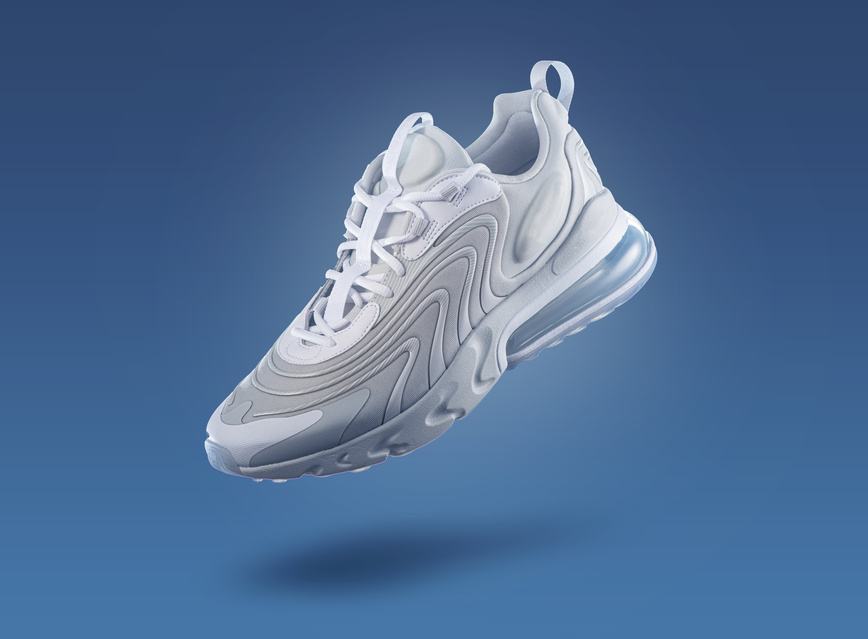
Dubbed the ‘Sneaker Wars’, Nike’s ongoing lawsuit against online shoe reseller StockX will likely end up dictating how intellectual property law is applied to non-fungible tokens (NFTs), declared attorney and journalist Andrew Rossow, writing for nftnow.com.
The lawsuit, which was filed by Nike in February 2022, alleges that StockX engaged in the unauthorised and infringing use of Nike’s famous marks in its Vault NFT collection.
Vault NFT was launched by StockX in January 2022 as ‘an experience where our customers can invest in NFTs tied to physical products and trade them instantly with lower fees. We believe that the physical items that trade on our platform are part of a new alternative asset class that can be uniquely associated with NFTs’.
Vault NFTs are described by StockX as digital tokens, or receipts, that represent ownership of physical items and, therefore, do not have any intrinsic value beyond that of the underlying physical good. Each Vault NFT edition is uniquely serialised and linked, via blockchain, to an authenticated item held in StockX’s custody – such as a pair of Nike Air Jordan sneakers.
The buyer of a StockX Vault NFT will also own the corresponding physical item, including the opportunity to take possession of that item at any time. Or, they can resell the Vault NFT at a later date without ever having seen the physical item.
Vault NFTs are minted under custodial authority as ERC-1155 tokens on the Ethereum blockchain.
Regarding the lawsuit, Nike specifically alleges that StockX is minting NFTs that use Nike’s trademark, capitalising off Nike’s goodwill and misleading customers with heavily inflated prices that result from the trading of the NFTs. It argues that since the Vault NFT can be resold multiple times, while the shoe itself stays in StockX inventory until someone chooses to claim it, this makes it a separate product and not a digital receipt.
StockX counters that its Vault NFTs are not ‘virtual products’ or ‘digital sneakers’. Because they serve as digital receipts, StockX says they can’t actually be sold as separate products, and are simply the ‘key’ to accessing the underlying stored item in the vault, with no other form of intrinsic value.
Referring directly to Nike’s allegations of trademark infringement, StockX argues ‘fair use’, stating that this is ‘no different than major e-commerce retailers and marketplaces who use images and descriptions of products to sell physical sneakers and other goods, which consumers see (and are not confused by) every single day’.
StockX characterises Nike’s complaint as nothing more than a ‘baseless and misleading attempt’ to interfere with a new technology Nike doesn’t understand, which has opened up a secondary market for the sale of StockX’s sneakers and other goods.
New counterfeiting allegation
In a subsequent new development, in May, Nike made a further allegation of counterfeiting, claiming that it had successfully been able to purchase four pairs of fake Air Jordan 1 Retro High OGs from StockX’s Vault NFT collection.
Countering this new allegation, StockX stated that it takes ‘customer protection extremely seriously’, and that these latest claims by Nike were nothing more than a ‘baseless attempt’ to resuscitate a legal case that it is losing.
StockX also said that Nike’s in-house brand protection team had in the past actually praised its authentication process and its efforts to stop counterfeits.
Authenticating down to the smell
StockX’s ‘authenticity guarantee’ sets it apart from its competitors, including eBay, said Rossow. It’s proprietary, multi-step authentication process, whereby each sneaker is inspected by hand as well as with AI-enhanced machine learning technology ‘ensures that items traded on StockX conform to the product descriptions and condition standards advertised by StockX, and that the products offered for sale are what they claim to be, and are not counterfeit, defective, or used’.
When someone buys a pair of shoes off StockX’s website, the seller ships the shoes to one of StockX’s authentication facilities in the US or overseas. Those sneakers that are subsequently ‘verified’ are sent to the buyer by StockX, whereas those that fail the authenticity test are sent back to the seller, thereby removing StockX from liability.
StockX reportedly handles tens of thousands of items per day, split between over 300 authenticators at 11 authentication centres, each checking over 50 touch points per product.
Although StockX uses AI technology as well as humans for the authentication task, it actually places more importance on humans. ‘No amount of technology is going to be able to tell you if there’s an acceptable manufacturer’s defect, if a pair has been used, or if it is a re-release years later,’ said StockX co-founder Josh Luber.
He described how, each morning, a fresh batch of sneakers arrive at the authentication centres, whereupon a team of StockX authenticators immediately get to work examining the shoes in a way technology would never be able to.
‘The first thing every authenticator does is pick up the pair of shoes and put their nose right in the shoe to smell for fake glue,’ Luber explained. ‘A lot of the fake factories use really cheap glue with a very pungent, distinct smell.’ The authenticators then check details like the shoe box, labels, tissue paper, extra laces, and special accessories.
StockX has also acquired fake shoes to train its authenticators. ‘We’ve gone out and we’ve acquired fake pairs, we’ve acquired real pairs, we’ve ripped them apart,’ Luber said. ‘We’ve documented every variant, we’ve created training materials, we’ve created training classes, there’s mentorship and hierarchy and all sorts of rules depending on how valuable a sneaker is. Rare pairs will either go to specially trained authenticators, or they’ll get seen by multiple people.’
With such robust authentication practices in place it is difficult to see how four fake pairs of one of the world’s most counterfeited sneaker brands – Nike Air Jordan – could have slipped passed the authenticators unnoticed.
New questions
The ongoing case tests the relationship between a retailer and manufacturer, bringing up new questions as to the types of NFTs that can be created and how a ‘fair use’ defence could be applied. Until now, it has been rare that our landscape has seen a scenario where a manufacturer brings suit against a retailer for selling products that may have been counterfeited, observed Rossow.
Subscriber content
Read the full article
Full access to Tax Stamp & Authentication News™ articles, newsletters and archives.