
Illicit Cement is a Thing… So What’s Being Done About it?

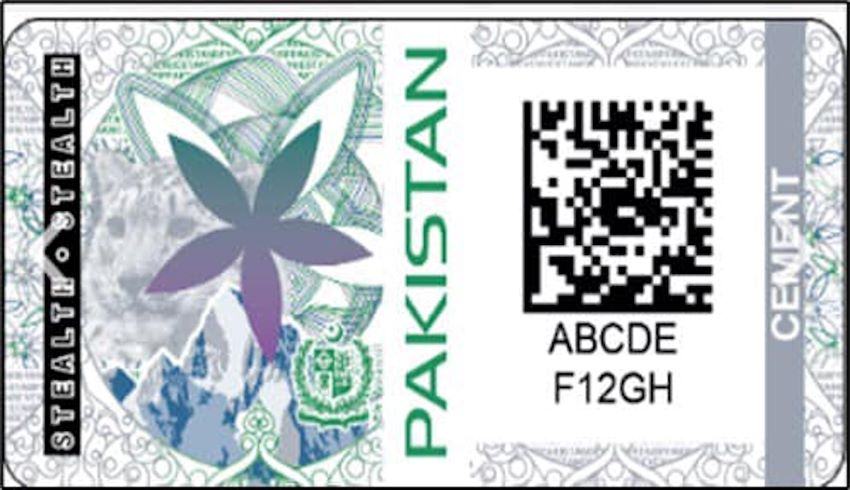
The global scale of counterfeit and other illicitly traded cement is a significant issue, particularly in developing countries like Pakistan, Kenya, Uganda, and Nigeria. This article looks at how these countries are tackling the problem.
Uganda
According to the Uganda National Bureau of Standards, at one point counterfeit materials constituted up to 58% of the country’s cement market. This was causing the price of legal product to plummet, due to an oversupply in the market as well as legal products having to compete with their cheaper illicit counterparts.
To address this problem, tax stamps with unique traceability codes were introduced on cement (and sugar), in 2021, as an extension to the programme already in place on alcohol, soft drinks and tobacco products. The stamps had the effect of enhancing visibility into illicit trade, a previously opaque area, while bringing more non-compliant supply chain actors into the taxable fold.
Under the programme, every 50kg bag of cement must carry a tax stamp, and every cement bulker (transport truck) must be sealed with a secure tag that also holds a tax stamp.
Subscriber content
Read the full article
Full access to Tax Stamp & Authentication News™ articles, newsletters and archives.