
Identifying Counterfeit Cigarettes by Their Isotope Fingerprints

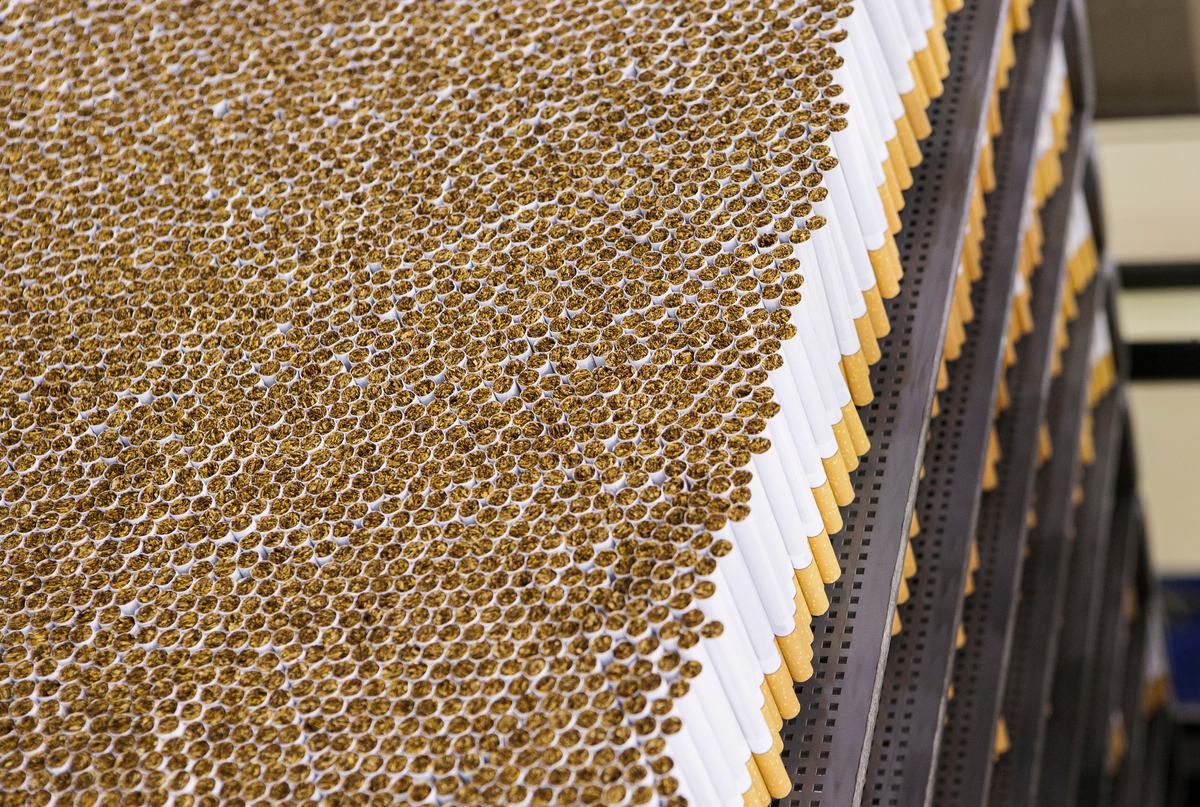
Researchers in China have developed a method for identifying counterfeit cigarettes, based on the stable isotope profiles of the tobacco contained within them.
The analysis of variations in stable isotopes of nitrogen, oxygen and hydrogen provide an indication of where the tobacco used in cigarettes has been cultivated. Such analysis could serve as a screening technology prior to applying more labour-intensive authentication methods that rely on distinctive patterns of chemical compounds.
Stable isotope fingerprinting is not an entirely new concept, as previous studies have used this method to identify foreign counterfeits of Canadian cigarettes. However, the latest research is thought to be the first to use the technology to distinguish counterfeit cigarettes produced in the same country.
The researchers sourced 64 counterfeit cigarette samples seized by China’s National Monopoly Bureau, mimicking four brands, which were analysed and compared to 64 genuine samples provided by the brand owners.
They found that nitrogen and hydrogen isotopes, in particular, could be used to not only distinguish real from fake, with almost 97% accuracy, but also tell one genuine brand from another using unsupervised principal component analysis.
Subscriber content
Read the full article
Full access to Tax Stamp & Authentication News™ articles, newsletters and archives.