
Sri Lanka’s Excise Control System Leaves Tobacco Behind
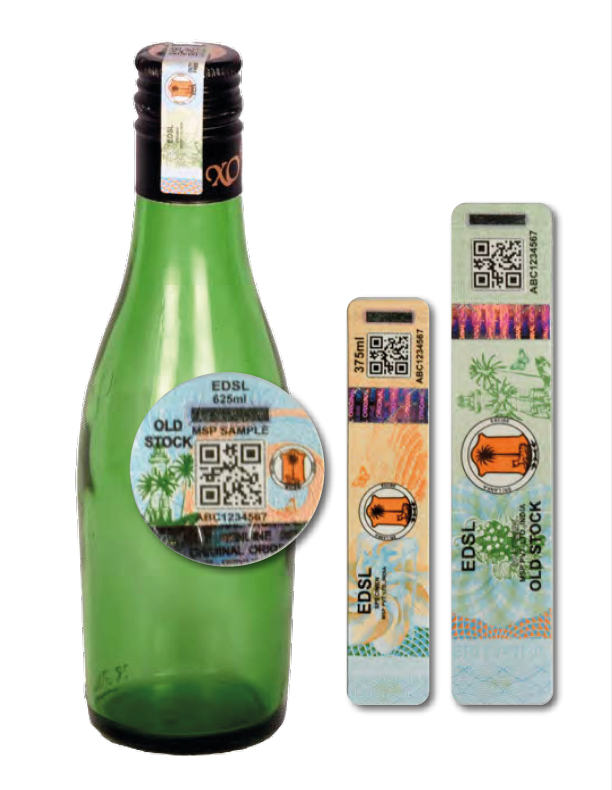
Sri Lanka’s approach to excise control tells a story of uneven progress. In the alcohol sector, a combination of secure tax stamps, digital verification tools and emerging system-wide reforms has created a robust framework for revenue protection and market oversight. In contrast, tobacco remains outside this ecosystem, with no equivalent system in place – despite Sri Lanka having ratified the WHO Protocol to Eliminate Illicit Trade in Tobacco Products. This divergence highlights a significant gap in the country’s otherwise evolving excise control architecture.
The roots of this divergence lie partly in institutional and structural differences between the two sectors.
Excise on alcoholic beverages falls under the remit of the Department of Excise, which oversees production, distribution and licensing, making it well suited to the introduction of physical tax stamps and supply chain controls.
Tobacco, by contrast, is taxed primarily at the manufacturing stage under the Inland Revenue framework, with control mechanisms focused on factory supervision and fiscal policy rather than product-level marking.
Subscriber content
Read the full article
Full access to Tax Stamp & Authentication News™ articles, newsletters and archives.