
Africa’s Ongoing Battle Against Fake Medicines

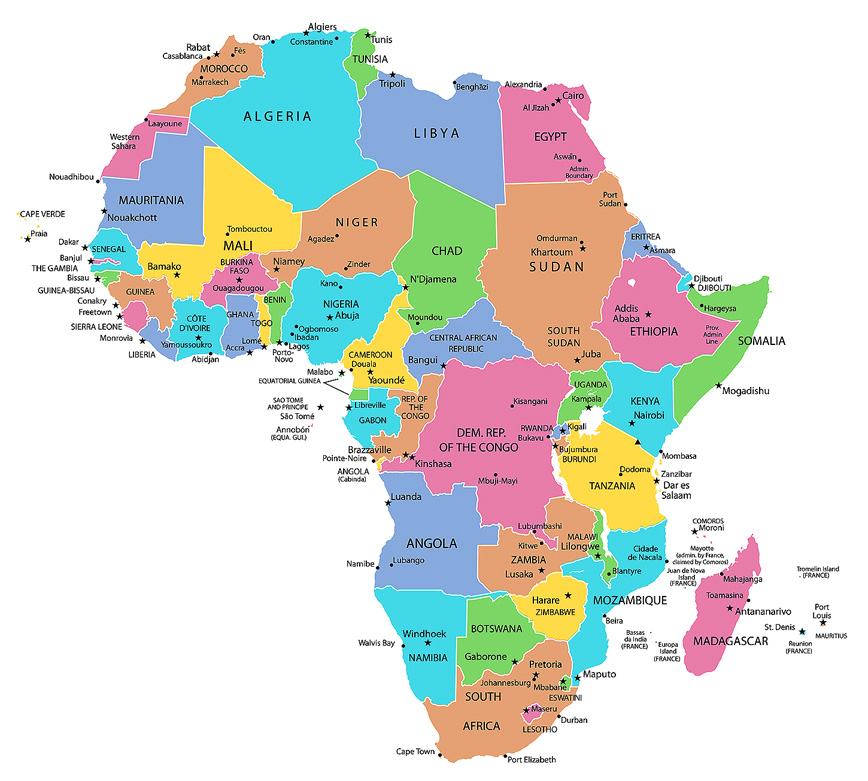
According to a 2023 United Nations Office on Drugs and Crime (UNODC) report, falsified and substandard medical products (FSMPs) kill almost 500,000 Sub-Saharan Africans every year.
The estimated figures include as many as 267,000 deaths from falsified antimalarial drugs, while 169,271 deaths result from falsified and substandard antibiotics used to treat severe pneumonia in children.
The region faces challenges such as infectious and non-communicable diseases, universal access to medicines, and heavy dependence on imported medicines and raw materials. The criminals know this and exploit the weak regulatory system in some countries and the gap between demand and supply.
According to the UNODC, about 40% of FSMPs reported in Sahelian countries (Senegal, Mauritania, Mali, Burkina Faso, Niger, Nigeria, Chad, Sudan, Eritrea) between 2013 and 2021 were in the regulated supply chain. These products are diverted from the legal supply chain and shipped from exporting nations like Belgium, China, France, and India.
 Kenya’s Pharmacy and Poisons Board CEO Dr Fred Siyoi and Anti-Counterfeit Authority (ACA) Executive Director Dr Robi Njoroge sign memorandum of understanding to strengthen the regulation and enforcement of health products and technology owners' rights (source: ACA).
Authentication efforts
African governments are fighting the fake medicine scourge using technological advancements and track and trace systems.
For example Nigeria, Ghana, and Kenya have been using mobile product authentication applications for a number of years. The National Agency for Food and Drug Administration and Control (NAFDAC) introduced this text message-based initiative in Nigeria. The solution allows consumers to scratch a security label on the product packaging and text the unique number thereby revealed to a toll-free phone number for verification.
Moving ahead, NAFDAC is working on a traceability implementation strategy. This aligns with the ‘Nigeria National Traceability Strategy Policy’ document published by the Federal Ministry of Health in 2020, as well as a call to action on the ‘Africa Strategy for Pharmaceutical Traceability’, signed by 25 African regulatory agencies and six health financing and donor organisations. NAFDAC has developed a five-year traceability implementation plan in line with these objectives to achieve supply chain visibility and strengthen its pharmacovigilance activities by end 2024.
Meanwhile, South Africa’s phased implementation of product identification and serialisation got going in 2018, and the Ghana Food and Drug Authority issued its ‘Pharmaceutical Traceability Strategy’ in 2022. Ethiopia and Zambia also published guidelines for pharmaceutical traceability, as did Egypt for uniquely identifying medical devices, and the Botswana Medicines Regulatory Authority implemented plans to define coding standards and master data architecture by end 2023.
Enforcement measures
With regard to enforcement, a 2021 joint law enforcement operation, spanning 20 African countries, and coordinated by INTERPOL and AFRIPOL, led to the confiscation of over 12 million illicit health products and the imprisonment of seven executives from a multinational pharmaceutical distribution firm in Benin for their involvement in selling counterfeit medicine.
Awareness and collaborative efforts
Partnerships and information sharing among African countries are vital in combatting fakes. In Nigeria, the NAFDAC spearheads public awareness initiatives and, since August 2021, has initiated campaigns in eight states. In February 2023, Nigeria and Cameroon signed a cooperation agreement to disrupt the manufacture and distribution of fake medicines by facilitating an exchange of experiences and technical expertise.
In 2023, the Anti-Counterfeit Authority of Kenya (ACA) and the Anti-Counterfeit Network of Uganda signed a memorandum of understanding to strengthen strategic collaboration on fighting counterfeit goods in East Africa. Furthermore, the recent agreement between the ACA and Kenya’s Pharmacy and Poisons Board aims to strengthen the regulation and enforcement of health products and technology owners' rights.
The critical components of these agreements include the exchange of information, joint investigations, collaboration in training programmes, research, sharing of expertise, technical exchanges, and outreach activities.
Subscriber content
Read the full article
Full access to Tax Stamp & Authentication News™ articles, newsletters and archives.