
Pallets Are Counterfeited Too

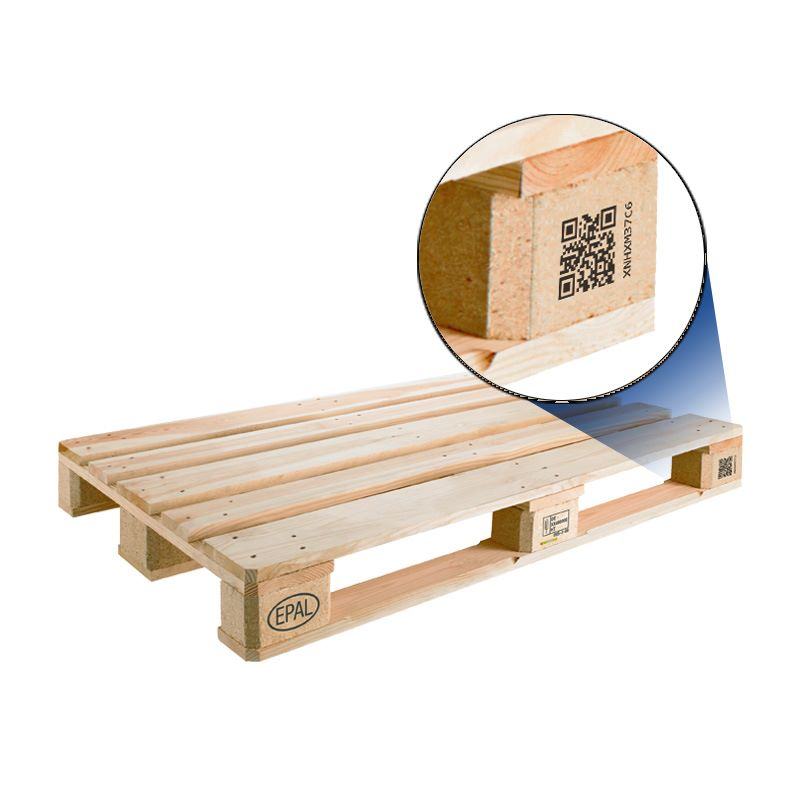
The European Pallet Association (EPAL) UK & Ireland, the umbrella association of licensed producers and repairers of EPAL load carriers, has launched Euro QR code pallets to boost supply chain visibility, improve efficiency, and optimise stock management.
The pallet features a scannable QR code with unique serial number that can be linked to the goods being transported.
The code will also provide information such as pallet manufacturer, pallet age, how many times it has been used in the EPAL network, how many times it has been repaired, storage times, and location. This improved visibility will reduce pallet losses as businesses will know exactly where their pallets are located and will be able to take swift action in the case of events such as product recalls.
What are Euro pallets?
Euro pallets, also known as EUR pallets or EPAL pallets, are a standardised type of pallet widely used in logistics and transportation. The pallets are freely exchangeable within the existing EPAL international pallet pool across 35 countries. In 2022, 109 million new EPAL Euro pallets were produced, with a growth of 7.55% compared to 2021.
Felicity Smith, National Secretary for EPAL UK & Ireland, said: ‘the Euro QR pallet is a significant development for EPAL, adding traceability to the list of benefits users already enjoy from being part of the EPAL network. It is an innovation that means EPAL pallets now not only protect the goods they are carrying but can also provide operational data essential for an efficient modern supply chain’.
Counterfeit challenges
The challenges faced by EPAL pallets include the repair and reconditioning of damaged pallets, pallet shortage, and non-compliant, counterfeit and illegal pallets. EPAL has been fighting the issue of counterfeiting for a long time and has taken several initiatives to crack down on counterfeit pallets and ensure proper compliance with quality standards. A few years ago, it developed new voluntary standards to recognise emerging market differences for used pallets.
Counterfeit pallets are made from poor-quality, cheaper material and often produced in Eastern Europe. The fraudsters make huge profits by undercutting the prices of legitimate manufacturers. The fake pallets are extremely dangerous because the necessary characteristics, such as stability and load capacity, cannot be guaranteed. The problem with counterfeit activity and EPAL pallet quality are connected since EPAL operates a tight quality monitoring programme with certified pallet producers and repairers.
Subscriber content
Read the full article
Full access to Tax Stamp & Authentication News™ articles, newsletters and archives.