
3D Printing Could Undermine Fight Against Fake Drugs, Study Finds

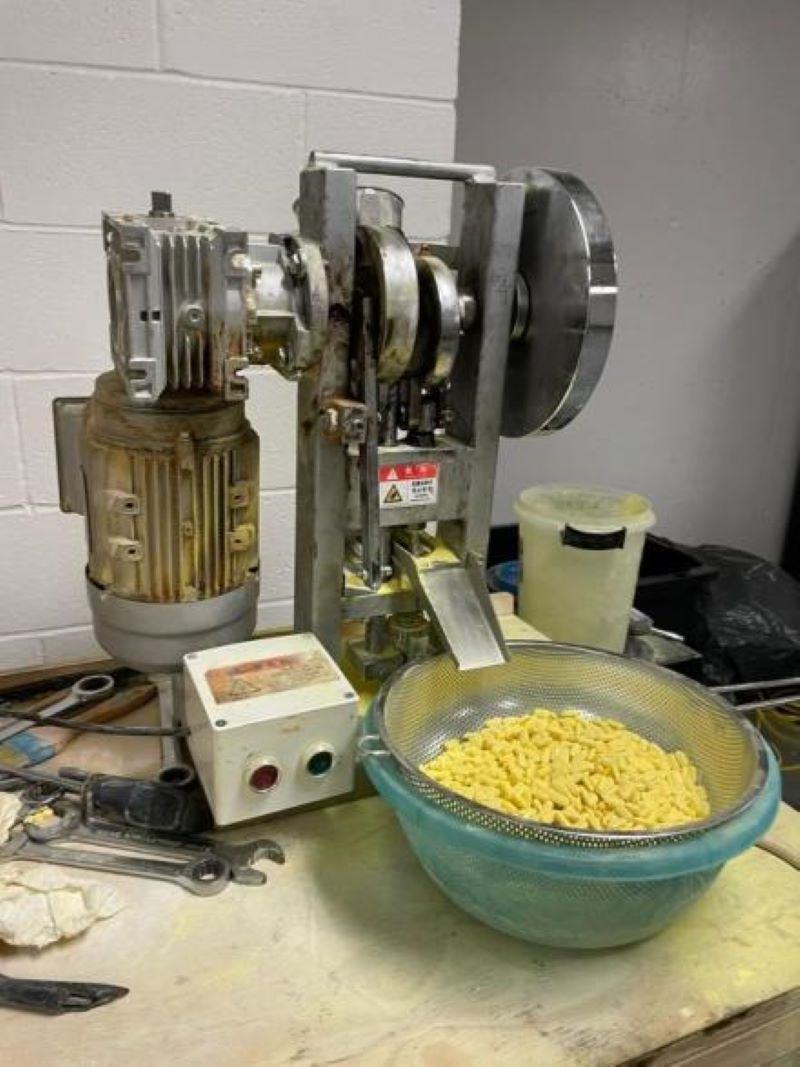
A paper 1 published by researchers at Ulster University, the University of Central Lancashire, and Liverpool John Moores University in the UK, warns that prohibitions on the sale of pill presses and die punches, designed to restrict the production of counterfeit medicines, may be undermined by new technologies like 3D printing.
The paper suggests that advances in 3D printing and the availability of benchtop milling machines could help criminals producing fake medicines laced with fentanyl and other illicit drugs sidestep the restrictions.
While pill presses once needed to be made using industrial-level machining processes, ‘low-cost mills and 3D printing systems are already at the stage of producing small format presses within the domestic home’.
What’s more, ‘there is an abundance of pill press designs available for download at no cost,’ said the researchers.
While controls on drug precursors and pill-making equipment have resulted in some notable successes in the fight against this form of medicine counterfeiting, ‘the illicit drug trade is counter-responsive and clandestine laboratories are quick to adopt new chemicals and synthetic routes and methods of manufacture,’ according to the paper.
Subscriber content
Read the full article
Full access to Tax Stamp & Authentication News™ articles, newsletters and archives.