
The Billion Dollar Counterfeit Seizure – Bangladesh to Blame?

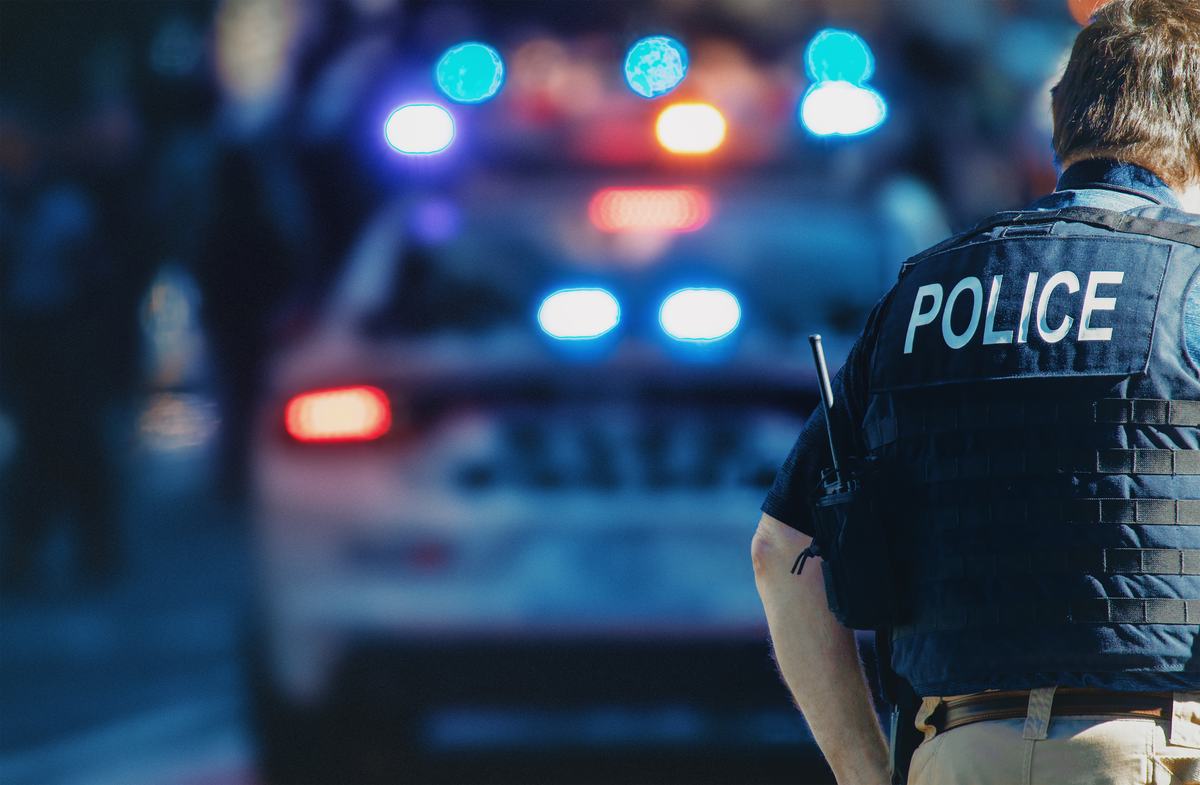
In one of the largest seizures of counterfeit goods in US history, Homeland Security and New York City police recently took possession of fake bags, clothes, shoes, and other luxury products, worth $1.03 billion.
Given that the United States Trade Representative (USTR) has identified Bangladesh as one of the top five sources of counterfeit clothing items globally, the chances are high that many of the goods seized originated from Bangladesh.
According to the American Apparel & Footwear Association (AAFA), well-organised Bangladeshi-run counterfeiting networks are exporting counterfeits for sale in several countries, making full use of social media and e-commerce platforms.
The situation is not helped by the fact that, according to the AAFA and the Union des Fabricants (a French-based association for promoting IP rights), there is no established policy in Bangladesh to enforce IP.
During a September meeting of the US-Bangladesh Trade and Investment Cooperation Forum Agreement Council (Ticfa), the USTR urged Bangladesh to take action to address the export of counterfeit clothing, including dedicating more resources to labour inspections and enforcement.
After the meeting, Senior Commerce Secretary Tapan Kanti Ghosh told reporters that the US had requested Bangladesh to update its laws on IP rights so that counterfeit goods were not exported to the US.
While Bangladesh insisted that its IP rights were actually highly protected during trade activities, Mr Ghosh advised that should an American company come forward with a complaint in regard to an IP violation, the government would take necessary action – which sounds like a piecemeal solution that is not very helpful.
It will therefore be interesting to see if any progress has been made by the time the next Ticfa meeting comes around, in 2024.
Subscriber content
Read the full article
Full access to Tax Stamp & Authentication News™ articles, newsletters and archives.