
Emerging Technologies – Smartphone Authentication

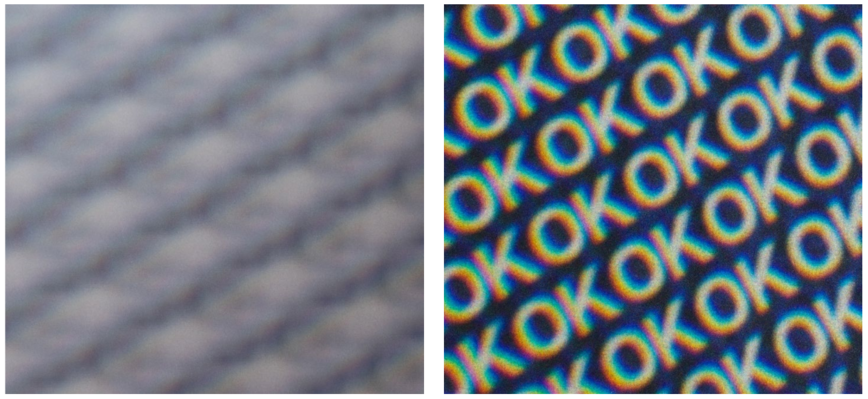
The ability to link a physical object such as a stamp, label, or direct mark to the digital space, through devices such as a smartphone is a persuasive and growing field. This was well illustrated in the presentations at the Tax Stamp & Traceability Forum™ (TSTF), May 2022.
A legitimate question is whether we should still consider smartphone authentication to be an emerging technology.
The aim of this article is therefore twofold. The first is to justify my belief that it still belongs in the category of emerging technologies and the second to identify those areas of authentication in the tax stamp and traceability space where opportunities may be found. As TSTF 2022 provided a great opportunity to review the current status, we should begin there.
The evidence from TSTF 2022
TSTF 2022 showcased a number of presentations that illustrated the widespread offerings of smartphone solutions, including contributions from the International Tax Stamp Association, Jura and Leonhard Kurz.
Smartphones were also shown to form a bridge into newer technologies too, with a SICPA solution featuring a QR code on packaging for smartphone interaction leading to a blockchain implementation. However, a key theme was the disparity between inspector and consumer implementations.
As large numbers of consumers have a smartphone available to them, at first sight their use seems obvious.
For example, Madras Security Printers described the tax stamp solution of Liberia, where 80% of the population have access to a basic smartphone but only 40% have internet access. However, the experience from Chile is that although a citizen verification smartphone app is available for cigarette packets, less than 1% of packs are verified through this route.
Multiple other studies of authentication and traceability solutions have come to the same conclusion: it is very difficult to motivate consumers to utilise their smartphones in this way, especially if they need a specific app for each product.
However, it does seem to be necessary to offer a consumer package as part of an overall solution. A presentation from De La Rue encapsulated this concept well, describing an inspector app on both Android and iOS platforms with a consumer app available too.
The evidence from TSTF 2022, plus other sources, appears to be compelling. The real opportunities for smartphone authentication and traceability seem to lie in solutions that facilitate professional inspection rather than consumer interaction. With this in mind, we can now consider some of the technology opportunities that this presents, in particular for optical features.
Examining features optically
At TSTF 2022, both NanoGrafix and Quantum Base discussed the authentication of optical features with a smartphone, the latter in particular emphasising the utility of the flash of a standard smartphone.
Paul Dunn, chair of the International Hologram Manufacturers Association, has previously noted the new possibilities for brand protection and anti-counterfeiting created by hologram validation using smartphone technology, which is further facilitated by the optical characteristics of the smartphone light source.
In this category we should also consider the Illumigram concept from Toppan Printing, a security hologram in which three- dimensional images appear in response to strong light, such as a smartphone’s flashlight. If the light source is moved, the 3D images move accordingly, enabling more intuitive verification by the user.
In our industry, smartphone validation is most commonly about acquiring an image of a feature, be it 2D codes, taggants, holograms, digital watermarking, etc., or for recognising certain types of print. This involves using the rear facing camera systems built into the smartphone which are designed with photography in mind.
To best define the opportunities here we should consider the characteristics of these camera systems.
We should first remind ourselves of one key fact: these camera systems are not designed for the accurate recording of colour. These systems are optimised to produce a subjectively pleasing picture and not an objectively accurate measure of image colour. When looking for opportunities with these camera systems, we would be better placed to concentrate on what they are good at: pattern recognition and barcode reading.
With a growing trend towards serialised stamps incorporating a barcode to make counterfeiting more difficult, there is a corresponding need for devices to read codes, with the smartphone being the obvious solution.
Companies such as HP have released results showing the utility of smartphone camera systems to characterise secure print on documents, and a notable recent example is the ValiCash™ solution from Koenig & Bauer. As smartphones are now starting to have artificial intelligence built into them, these types of solution are looking more appealing.
Where could this lead?
Smartphones provide a link between a physical object (such as a stamp) and the digital domain, and we should continue to investigate this ‘phygital’ link.
One interesting innovation in this area that could prove to be a model for the future is the partnership between Landqart and TECH5 to secure identity documents (see TSTN’s sister publication ID & Secure Document News™ August 2022). Models such as this and ValiCash, from other sectors of the secure document space, may provide some useful pointers for the tax stamp and traceability market.
We should also look towards technology innovations to improve the robustness of tax stamp and traceability programmes by the incorporation of smartphone and cloud computing capabilities. These can store and manage vast amounts of data, with a view to further economic benefits through revenue collection. Further opportunities may come from looking outside of optical verification towards a world where connectivity is done electronically through the coming of the Internet of Things.
We should now be thinking of smartphones as simply an early implementation of mobile validation providing this ‘phygital’ link. This is an area worthy of further investigation and is the province of the Optical & Digital Document Security™ conference, now set for April 2023 in Prague, Czech Republic.
Subscriber content
Read the full article
Full access to Tax Stamp & Authentication News™ articles, newsletters and archives.