
Cannabis Laws in Latin America

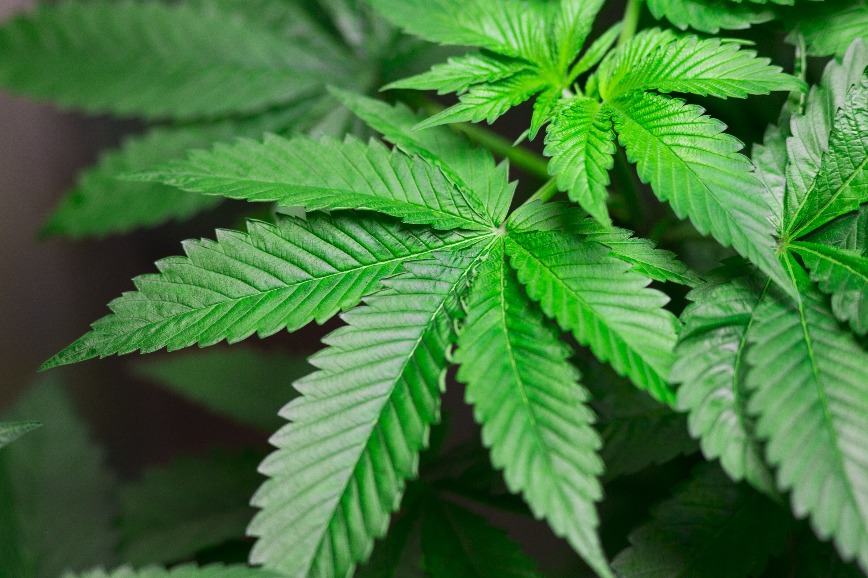
In the July 2021 issue of Tax Stamp & Traceability News™, an article discussed the legal issues surrounding cannabis (or marijuana to those of us who are a little older) in the United States, where many states have already put in place legislation to track and trace the illegal distribution of cannabis and protect tax revenues. But the Cannabis Administration and Opportunity Act, which was presented in July to modify federal law and its impact on individual states, has not moved forward yet.
Use of cannabis for both medicinal and recreational purposes is no longer just a US challenge, but a global one, and Latin America, my region of expertise, has not been immune to this phenomenon.
For years, we have all seen how illicit drug sales in this region move millions, if not billions, of dollars around the world. Our imagination, unfortunately for Latin America, is full of images of drug lords doing business in this way. Today, however, many of our tax authorities have either implemented, or are in the process of implementing, laws to better control both illicit and taxpaying cannabis activity, which presents a potentially golden opportunity for the best track and trace system providers.
A major concern of lawmakers is how to regulate and sometimes track the use and appropriate content of THC (tetrahydrocannabinol), which produces an intoxicating effect, versus CBD (cannabidiol), which is used for pain medication. In the right combination with THC, CBD has been seen to reduce some of the negative effects of too much THC (ie. memory loss, psychotic episodes, anxiety). As a result, the percentages, the distribution, and the commercialisation of cannabis are areas where each country’s regulations can make a difference.
Let’s review some of them.
Argentina
Argentina has most recently been focusing on trying to improve Law 23.750, put into effect in 2017, which allows for limited production of medicinal use cannabis on an experimental basis only. The current government is pushing for an amendment of this law, in line with best international (according to the UN) practises, with the focus on creating a robust regulatory environment that would allow production to quadruple in comparison to current levels.
To help with this, the amendment to the law will take into consideration a secure tracking and tracing system to protect against illicit activity. The current law will still only regulate medicinal or other, non-intoxicative cannabis, so if they want to have a recreational puff, Argentines will still have to cross the border to Uruguay, where recreational marijuana has been legal since 2013.
Chile
Moving to Chile now, where, since 2015, the government has allowed for medicinal use of cannabis, under strict controls and permits. With respect to recreational marijuana, the national anti-drug authority, SENDA, has preferred to focus its efforts on prevention and education, rather than tracking illicit drug use, and no track and trace system is in place at this time either for recreational or therapeutic cannabis.
Colombia
In Colombia, medicinal cannabis has been legal since 2016. Like several other countries in the region, a slew of legislation with respect to controls, taxes, usage, distribution, and registration for both THC and CBD production facilities and plantations has been promulgated every year since then. The latest decree, published in July of this year, mentions the importance of having the legal ability to track and trace existing product, but to date, nothing has been applied.
Costa Rica
Costa Rica’s legislative body has been working on laws to regulate the sale and production of cannabis for medicinal/ therapeutic purposes since 2019. The latest text, from October of this year, specifically considers the possibility of the government creating a traceability system to track the legal origin of plants, seeds, finished product and other cannabis derivatives through the entire production cycle, as well as regulating the sale of raw material to pharmaceutical, cosmetic or other industries.
The final draft is currently under congressional discussion and it is hoped that if passed, it will fall under the joint aegis of the ministries of agriculture and health.
Ecuador
The Agriculture Ministry of Ecuador published a decree in October 2020
to regulate all activities related to non-psychoactive cannabis (under 1% of THC in Ecuador). This includes a mandate to create a technological platform allowing for full traceability of the production, distribution and commercialisation of this product to licensees.
To date, over 50 licenses have been granted, and it is hoped that the tax revenue to be generated from this new, legal product will help to alleviate the economic crisis resulting from COVID-19 government expenditures.
Also, in February 2021, the sanitary regulating agency ARCSA issued a resolution to regulate and control finished hemp-based products for human use and consumption.
Mexico
Mexico was meant to be the next recreational marijuana beacon in this hemisphere.
In November 2018, two senators proposed a bill that would allow Mexico to join the ranks of Uruguay and Canada, allowing for the sale of recreational cannabis with an estimated additional revenue of over $22 billion over four years. Unfortunately, the bill went back and forth between lawmakers until the last possible voting date (April 2021) expired without a decision, effectively making the bill null and void.
In a parallel universe, in June of the same year, the Mexican Supreme Court approved the consumption of recreational marijuana, and COFEPRIS, the government authority in charge of licensing, began distributing licenses for the consumption, cultivation and carrying of this product. All well and good, except for the fact that although consumption has been approved, the actual sale of recreational marijuana is still illegal.
On the medicinal cannabis side, things look a little more appealing in Mexico. Its use was officially approved by congress in April 2017 and in January 2021, a clarifying decree was issued stressing the importance of regulating raw material cultivation, as well as regulating the research and production of pharmaceutical and medical products related to cannabis. The decree is also quite clear in its requirement for a modern traceability system for tracking product from cultivation to final consumer, although such a system has yet to be presented to the public.
Panama
Finally, Panamanian Law 153, which regulates the sale and usage of medicinal and therapeutic cannabis, was approved in mid-October this year after five years of congressional discussion.
The passing of this law will regulate the importation of ready-to-use cannabis
products as well as their distribution and sale in-country. It is hoped that contraband product, which is readily available in the market because of there being no legal alternative to medicinal cannabis, should decline as imports become available and marketed to the potential public. The law will also prohibit the sale of cannabis product via websites or other online delivery systems.
Looking forward to cannabis news in 2022!
Subscriber content
Read the full article
Full access to Tax Stamp & Authentication News™ articles, newsletters and archives.