
Pakistan Introduces Fuel Tracking Law... But Systemic Issues Need Addressing First
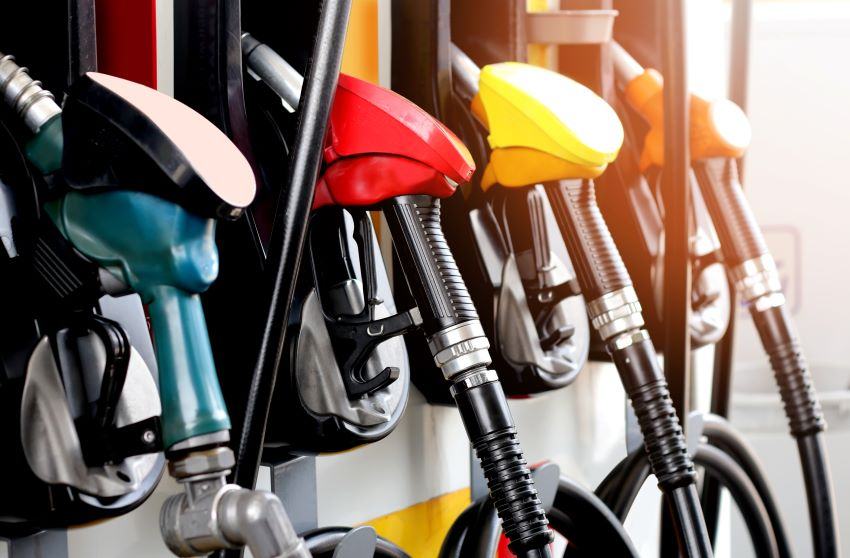
According to the Pakistani press, the country’s government has introduced an amendment to the 1934 Petroleum Act to implement real-time tracking of petroleum products, from import and production to retail sale. This move aims to reduce massive annual revenue losses estimated at PKR 300-500 billion ($1.1-$1.8 billion), due to smuggling and adulteration of petroleum products.
In a country rife with illicit trade, fuel is not the only sector that needs controlling though: soft drinks and pharmaceuticals are also being hit hard by counterfeit and non-compliant products as a result of weak regulatory oversight.
However, the main problem with Pakistan, rather than lying with the lack of control in one sector or another, is related to fundamental, systemic weaknesses in overall governance, enforcement, and economic policymaking.
This article explores the latest developments in this.
Fuel tracking
The draft law for fuel tracking proposes to introduce information technology- based tracking systems to monitor petroleum products – including liquefied petroleum gas used for heating and cooking – and tackle practices such as the illegal transportation and sale of petrol, particularly from smuggled sources. Local refineries and oil marketing companies have been urging the government for years to enforce stricter measures to control smuggling, so now it seems it is finally happening.
Subscriber content
Read the full article
Full access to Tax Stamp & Authentication News™ articles, newsletters and archives.