
India Central Excise: Worth Its Weight in Salt

Every year, on 24 February, India observes Central Excise Day, as a way of highlighting the essential role of the Central Board of Excise and Customs (CBEC) in the country’s industrial development.
Several events are organised by the CBEC on this day, including seminars, workshops, educational and cultural programmes, awareness programmes, competitions, and award ceremonies.
Central Excise Day also commemorates the Central Excise and Salt Act, passed on 24 February 1944.
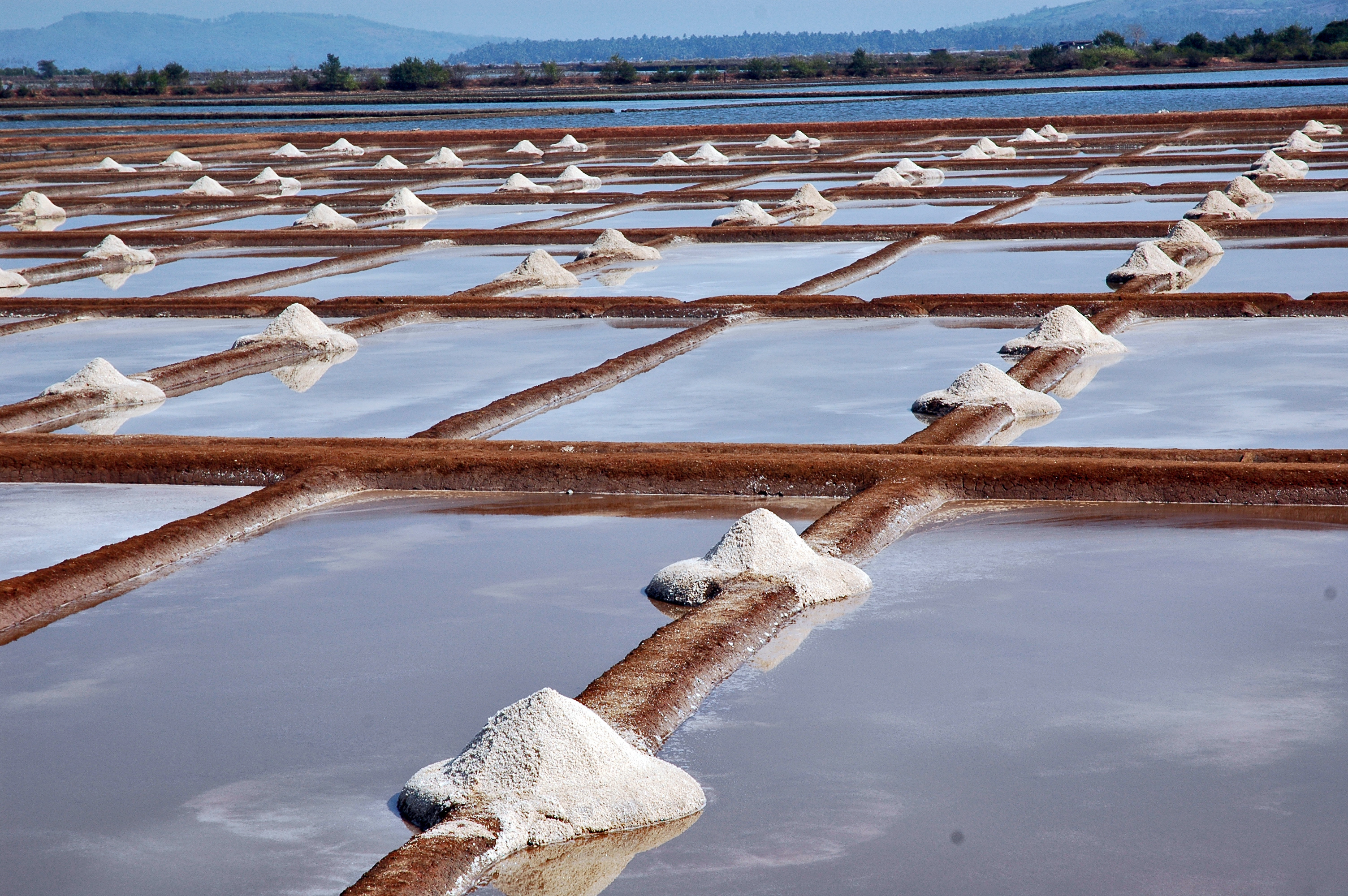
Since the beginning of civilisation, salt has been an important source of tax revenue for governments worldwide, but no more so than in India, which has today become the third largest salt-producing country in the world, after China and the United States.
However, before 1944, there were generally no uniform controls in place for collecting salt revenue in India. Instead, the myriad provinces and states within the country employed their own tax collection methods.
So it was that, in 1944, the government decided to reform the excise tax system to make payment of taxes easier. The result was the Central Excise and Salt Act, which consolidated and amended laws relating to central excise duties in general, and salt taxes in particular.
It is interesting to observe here that while salt, tobacco and other excise taxes fall squarely under the control of India’s central excise authority, taxes on alcohol are regulated and collected by each of India’s 29 states and seven union territories, which, in most cases, includes the use of tax stamps.
Subscriber content
Read the full article
Full access to Tax Stamp & Authentication News™ articles, newsletters and archives.