
OpSec Eco – Smart, Clean and Green

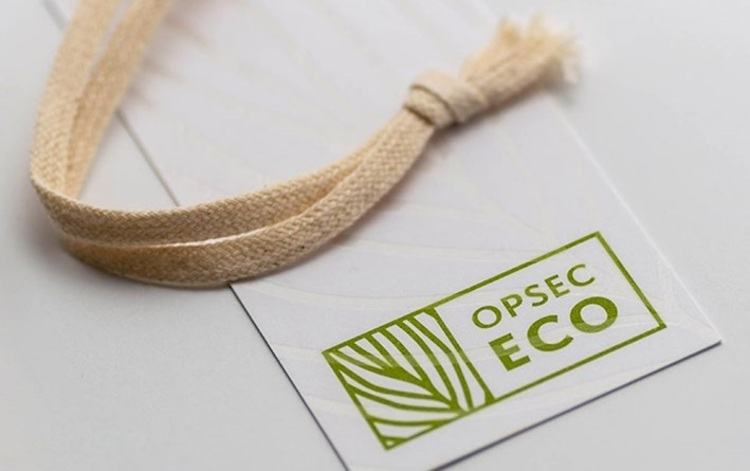
Like all progressive companies operating in the authentication and brand protection sectors, OpSec Security is committed to sustainability in its processes and products – as its new product line OpSec® Eco demonstrates.
OpSec Eco is a line of earth-friendly woven and printed products that can be incorporated into the OpSec® Trend on- product tags, labels, and packaging to help meet sustainability goals. The objective is for all customers to have the option of products made from eco-friendly materials which can be recycled, are biodegradable, all the while using less water, fewer chemicals, and less energy.
The OpSec Eco Collection offers customisable products to enable fashion brands and manufacturers to create sustainable brand identity solutions that help protect the environment.
The Eco Collection includes sustainable FSC papers and boards, unbleached organic cotton labels, 100% recycled woven labels and water-based inks.
The Forest Stewardship Council (FSC) certifies forests from all over the world to ensure they meet the highest environmental and social standards. The FSC Certified Mark guarantees that the trees it uses are harvested and replaced or allowed to regenerate naturally.
OpSec is certified to produce products using FSC paper and card. FSC certification helps forests remain thriving environments for generations to come. And OpSec’s high-definition damask woven labels and badges can be made with 100% recycled polyester yarn in both warp & weft direction.
OpSec also recycles post-consumer chips from plastic bottles, reducing the amount of waste and the demand for oil-refined virgin polyester production, which saves water and energy.
Circular economy
Providing a secure and sustainable digital identity for products through their cycle of production and use is a principal tenet of the move to a circular economy.
With this in mind, OpSec® Insight tracks a product as it moves along its ultimate journey to the consumer – and beyond. This product journey is stored in each product’s unique digital profile and can include details such as the provenance of materials used, manufacturing details such as location and date information, distribution and logistics information, as well as in-store and post-purchase consumer and brand interactions.
The trend for companies to lessen the environmental impact of the goods and services they provide, makes it easier for them, and their customers, to meet sustainability goals while showing consumers, through their level of commitment to the environment, that they share their values.
Subscriber content
Read the full article
Full access to Tax Stamp & Authentication News™ articles, newsletters and archives.