
Compliance and Beyond: Tax Stamps and Marks in High-Speed Production Markets

Optel Group was a welcome addition to the Tax Stamp & Traceability Forum™ this year as it brought a different emphasis to the table when it comes to tax stamp solution delivery. Dr Foued Barouni, Solutions Manager, presented a paper explaining how high-speed production conditions affect the way tax stamp compliance could be delivered.
As an industry leader in end-to-end track and trace platforms and vision systems, Optel’s solutions are used across a global spread of diverse markets that include pharmaceuticals, food and beverage, agrochemicals, and metal and mineral mining.
The company has over 30 years’ expertise in these fields, with a presence in more than 30 countries, over 600 employees and more than 6,000 systems installed worldwide. With this global presence in track and trace solutions, Optel has gained a level of credibility that has led potential partners, governments, and other stakeholders to request the use of their solutions in tax stamp programmes.
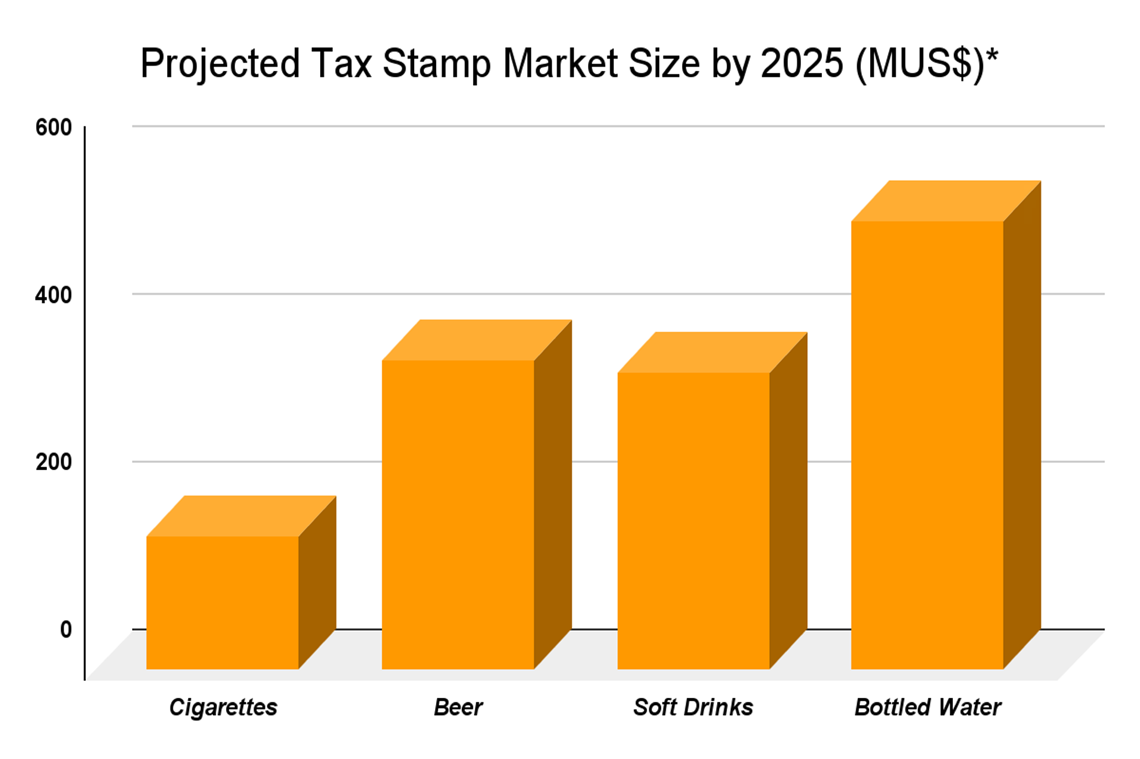
Optel conducted a market analysis, from which one of the key projections was that, by 2025, the global market size of tax stamps in relatively new markets – such as soft drinks, beer and bottled water – could be 10 times higher than that in the cigarette market (Fig 1). This projection was in large part attributed to actions by governments worldwide to extend excise tax collection programmes beyond traditional luxury items in order to finance post-pandemic economic recovery and healthcare programmes.
New markets, new challenges
With these new markets, though, come new challenges for tax stamps, particularly in respect to the high production speeds of some product manufacturing lines. While production speeds for cigarettes (up to 600 products per minute) can accommodate the application of physical tax stamps, speeds in other environments – such as beer or soft drink production lines, which can reach more than double that of cigarettes – become a challenge (Fig 2).
Another challenge relates to the low selling price of beer and soft drinks compared to the price of traditional excisable products like cigarettes and spirits. For example, in Canada, a pack of cigarettes costs around $10, compared to $1-$3 for a bottle of soft drink.
This price difference is, in large part, due to the much higher excise levies applied to tobacco products and liquor, which, in turn, make these products much more interesting targets for illicit traders.
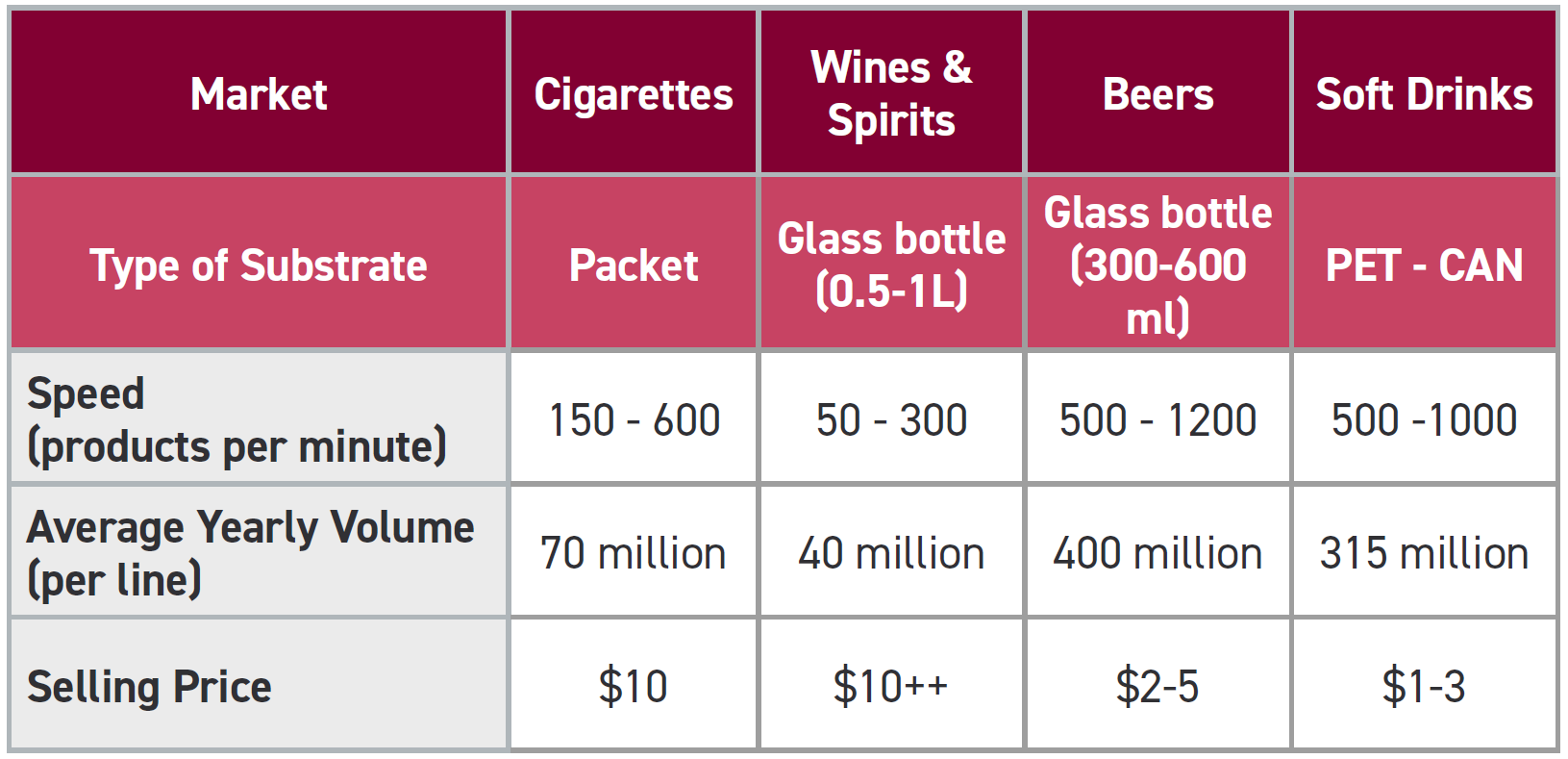 Fig 2: Comparison of traditional and emerging excise collection markets (selling price refers to Canada).
These challenges have been reflected in concerns raised by soft drink and beer manufacturers, who question both the cost effectiveness of tax stamps in relation to the selling price of their products, as well as the impact of the tax stamp application process on production line performance.
Benefits of directly printed stamps
One of the options available to address manufacturers’ concerns is to employ tax stamps that are directly printed onto the product, in the form of serialised 2D barcodes.
Directly applied marks are generally better suited to high-speed lines than physical labels. Optel’s system, for example, is able to print and read codes on up to 1,500 products per minute.
Direct marks are also usually less expensive than physical labels. And given that the value of a direct mark is held in an IT system, as opposed to being carried on a physical label, direct marks are not subject to issues relating to secure distribution and warehousing.
Although direct marks may carry fewer security features than paper-based stamps, this may not actually pose a problem for markets such as soft drinks, which are not usually considered prime targets for counterfeiting and smuggling, and which therefore don’t require the same level of security as cigarettes and alcohol.
Physical labels, on the other hand, are ideal for lower speed lines and higher value products. They can include numerous, multilevel, security features and tamper-evident properties. However, they can also come at a higher cost than direct marks.
Bringing high security to direct marks
There are different ways of protecting a product, depending on what the underlying objectives are.
One objective may be to count the number of products manufactured on each line, so that the total number can be reported to the tax authority for excise collection purposes. Another may be to identify a product in the market and see where it came from.
Both of these objectives can be achieved using the scanning capability of the serialised 2D tax code, which can be captured by vision system cameras on the production line for counting purposes, as well as verified in the field with a mobile application.
In the case of premium products, however – or products facing challenges such as refilling and counterfeiting – the objectives might be different. Apart from checking the accuracy of the number itself additional tools for verification may need to be considered.
While paper-based tax stamps can provide physical authentication features, so too can directly printed marks – if combined with robust security technologies such as taggants or signature matching (digital fingerprinting 1) solutions.
Optel developed a signature matching feature that is activated on the production line. So, in addition to the printing and reading of the 2D code for counting and identification purposes, an inline camera captures an image of the product. From that image, unique patterns and intrinsic imperfections in the printing or substrate of the product packaging are identified and digitalised into a unique identifier.
The unique identifier is stored on a private cloud database, together with information such as the product’s GTIN (global trade item number), and lot number. The stored information then serves as a baseline for future comparison with images captured in the field by government officials, consumers or other stakeholders, using the camera of their mobile phone.
If the unique identifier of a product captured in the field is not found in the database, or if the GTIN or lot number do not find a match, an alert will be raised.
The process used to compare field images with stored information is based on artificial intelligence algorithms, machine-learning capabilities and supply chain mapping tools.
Authorities have the option of reserving the authentication capability for government officials only, while giving consumers access to the identification capability. But since this is a software-based solution, and hence very flexible, such access can easily be reconfigured at a later date.
It is also possible for authorities to start with a solution that offers identification capability only – so that they can at least know how many bottles have been produced by each manufacturer. Then, when they are ready to move to the next step, they can enhance the level of protection by adding this additional level of authentication.
Although it requires some effort in the beginning because of the impact of direct printing on the product itself, these efforts are subsequently rewarded by the benefits described in this article.
Beyond compliance, towards sustainability
There are many announcements in the press relating to sustainability goals, such as the one from Coca Cola declaring its intention to use 25% reusable packaging by 2030. But how are the soft drinks producers actually going to achieve this? One of the key tools to help them reach their goals is a track and trace system.
‘Optel’s promise has always been to develop traceability technologies to help businesses in different sectors create a better tomorrow,’ explained Louis Roy, Founder and President at Optel. Apart from being a compliance system used by governments to regulate certain industries, direct marking, when applied in the form of a 2D code, can also help industry leaders achieve their sustainability objectives, such as those relating to recyclable and reusable packaging.
Optel has a clear philosophy when approaching manufacturers that are required to implement tax stamps. Trevor Willis, Global Account Director added: ‘we not only give them the ‘bad news’ but also the ‘good news’. The bad news is that they are obliged to implement an excise collection solution to be compliant, that this could mean additional costs, and that they may also encounter line-speed challenges along the way. The good news, however, is that direct marking systems offer manufacturers better supply chain visibility and can even improve the sustainability of their entire organisation, including the ability to track their carbon footprint’.
These benefits apply to governments as well. The use of direct marking and track and trace technology on products packaged in glass bottles, PET and kegs, in particular, will assist governments in implementing efficient reusable asset and packaging management programmes. Such programmes offer precise, unit- level traceability at every step of the packaging process, as well as reverse supply chain mapping tools, and the ability to monitor metrics relating to location, cold chains, dispensing inventories, and return rates.
Furthermore, reusable packaging programmes help reduce asset losses and costs. For instance, when a bottle can be tracked anywhere in the supply chain, this allows specific regions to be targeted for the purpose of conducting public awareness campaigns to motivate consumers to return empty bottles, thereby reducing losses and increasing bottle lifecycles.
Optel is working with partners, for example, to implement marking with a pre-serialised 2D code on glass and PET bottles, with the possibility to apply, at the same time – and on the same line – a directly printed tax mark. So, the code at the bottom of the bottle is a tracking tool to help organisations reach their sustainability objectives, while the code on the cap is a digital mark for tax collection purposes (Fig 3).
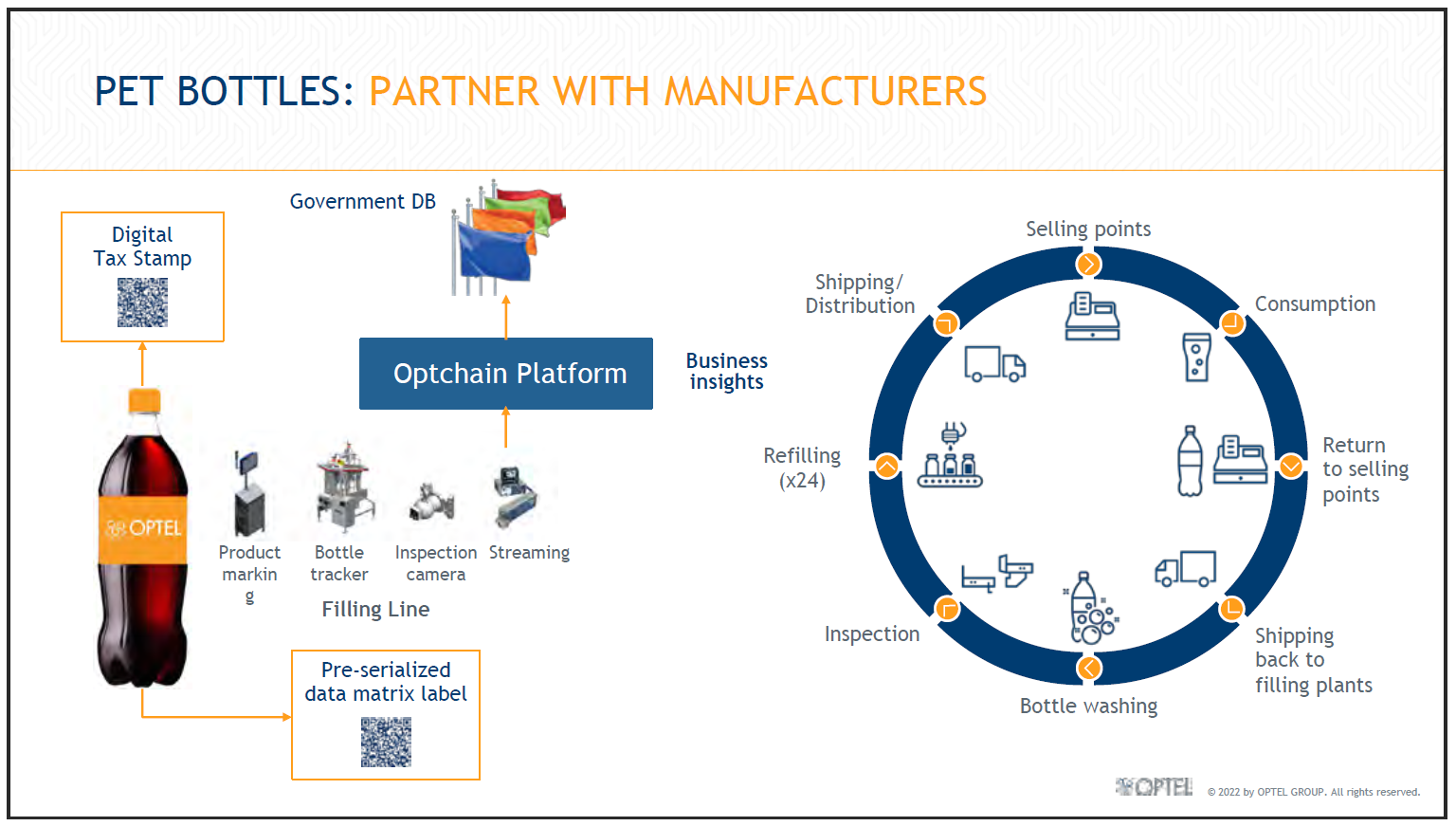 Fig 3: Dual-purpose direct printing solution for tax compliance and sustainability.
Dr Barouni commented: ‘Optel is complementary to the main solution providers currently operating in the industry and works with a number of these to provide the digital direct-to-print solutions interfacing with their IT systems, whilst in many cases they continue to provide the physical stamps and manage the full solutions with their end client, the government’.
Trevor added: ‘it is a win-win situation allowing governments to secure taxation revenues from a wider variety of products, utilising a specific solution for each individual case, whilst retaining the services of one of the tax excise scheme providers.’
For more information, contact Trevor Willis, Global Account Director, Optel Group, +44 (0)7957 637537, [email protected].
1 - Digital fingerprinting (also known as document biometrics) refers to the combination of scanning and software programmes with unique physical characteristics intrinsic to a product or document. It is based on the fundamental premise that at the microscopic or molecular level the characteristics of every printed document or package are unique to that item.
Subscriber content
Read the full article
Full access to Tax Stamp & Authentication News™ articles, newsletters and archives.