
Overview of Tax Stamps in India

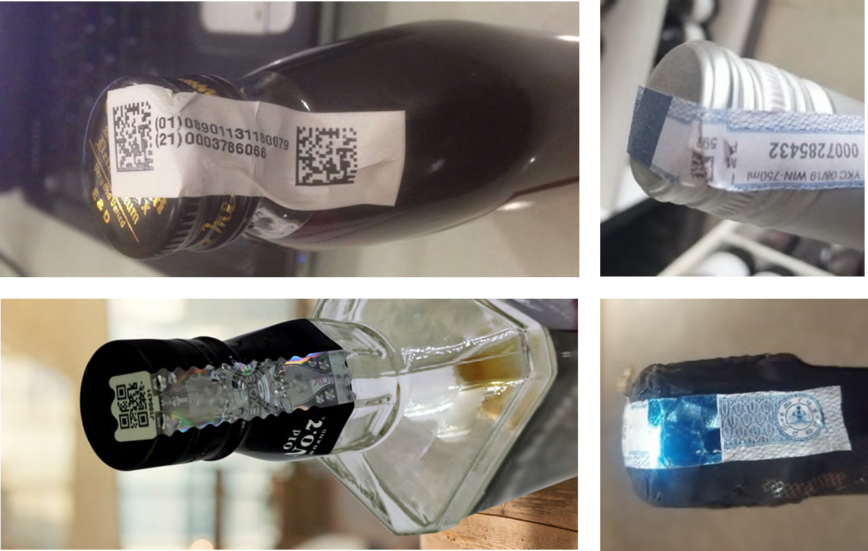
While globally, most tax stamps are used on tobacco products at federal level, the situation is somewhat different in India, where almost all tax stamps in circulation are used on alcoholic beverages at individual state level.
It’s been almost four decades since the first tax stamps were used in India, produced on a thin glassine-based paper that was gradually upgraded into the first polymeric stamps, in 1998-99. In the ensuing 20 years, many states were to realise the importance of tax stamps and start implementing them.
Today, as excise taxes on alcohol become more critical for state excise departments, more than 22 departments are using tax stamps, which amounts to approximately 24 billion tax stamps per annum. According to the Reserve Bank of India, in FY 2020, total revenues from excise duty amounted to Rs 1.75 trillion ($22.6 billion), most of which came from liquor sales.
Types of tax stamps in India
Four types of tax stamps are currently in circulation: polymeric stamps, paper labels with holographic components, paper labels with security printing features, and thermal transfer labels without any overt or covert authentication features.
The stamps are produced in sizes of around 15mm wide and between 60-80mm long. They are also produced in different colours, representing the various liquor groups (ie.
Indian-made foreign liquor, country liquor, beer, wine and imported foreign liquor).
While the majority of tax stamps currently in use are either polymeric or paper based, this trend was bucked a few years ago by two excise departments who moved away from both to a plain serialised barcode label devoid of any physical security features.
They were soon to realise, however, that the lack of physical security on the labels led to a proliferation of duplicate labels on the market, where it was impossible to distinguish duplicate from genuine. As a result, both excise departments decided to revert back to a label with physical security features.
Security and track and trace features
Most tax stamps used in India include overt, covert, and track and trace features in line with individual state requirements. For instance, some states have incorporated features such as 3D holographic mirrors and taggants into their labels.
The stamps also carry variable information printed with different coding techniques that comprise sequential numbers and specific data. Although most codes do not provide real-time tracking, they nevertheless offer helpful information, including the type of product for which the tax stamps have been issued (eg. whisky, rum, vodka, brandy, wine, beer), as well as the financial year in which the stamp was produced, the name of the liquor manufacturer, and the date of issue.
Recently, there has been a shift in tax stamp usage by state excise departments, which has resulted in a number of exciting developments.
With a focus on authentication, many states have upgraded their stamps to the next level using combinations of new authentication features and digital technologies, for a ‘phygital’ solution. More than 10 departments have upgraded their physical tax stamps, and others are fitting their stamps with traceability components.
The way ahead – growth sectors
With current annual tax stamp usage estimated at 24 billion stamps, India is by far the largest user of tax stamps worldwide, even though it doesn’t even use tobacco stamps.
Although India doesn’t use tobacco stamps, its status as a party to the WHO FCTC Protocol to Eliminate Illicit Trade in Tobacco Products means that it will be obliged to introduce secure track and trace on tobacco products by 2023 – with or without the use of tax stamps.
This 100 billion stick market – which is predicted to remain stable over the next few years – could result in a 5 billion annual requirement for tobacco stamps on packs of 20 cigarettes.
Furthermore, there exist other untapped opportunities in products such as sugary beverages and cannabis. The legal and regulated cannabis industry is a relatively new phenomenon and is, accordingly, being actively targeted by illicit traders aiming to benefit from the industry’s rapid growth.
In India, calls for legalising cannabis use for medicinal purposes have grown stronger. In 2018, Uttarakhand became the first state in the country to allow commercial cultivation of hemp crops. A year later, the Madhya Pradesh government did the same. In January of this year, the Union Government told the Delhi High Court that cannabis is not entirely banned in the country as its medical and scientific use is allowed under the law.
Another vital sector could be sugar. India is the world’s second largest sugar-producing nation after Brazil, and in the current 2021- 22 marketing year, production is expected to increase by 2.9%, to 31.9 million tonnes. Indian revenue authorities are no doubt aware that their neighbouring country reported 11% higher tax revenues from the sugar sector, following the expansion of its tax stamp and track and trace system in November last year.
Conclusion
The tax stamp industry in India has come of age. It has undergone significant transformation over the last few years, with a noticeable shift towards authentication and track and trace technologies, which will continue to play an important role.
Going forward, there is a need for more focus on strengthening tax stamp
technologies, systems, and programmes in existing sectors, as well as using them to protect newer sources of excise revenue, as government finances continue to be heavily strained by the COVID-19 pandemic.
Subscriber content
Read the full article
Full access to Tax Stamp & Authentication News™ articles, newsletters and archives.