
Cannabis in India – An Overview

Globally, revenue authorities are broadening their range of excisable goods to widen the tax base and generate more tax revenues.
A few decades ago, tobacco and alcohol were the most common products from an excise revenue perspective. However, authorities are looking for growth from new sectors, including sugary beverages, mineral water bottles, cement, cooking oil, and cannabis.
Amongst these, cannabis has attracted much attention in the last few years. Many countries have announced policy measures to legalise cannabis for medical purposes, as well as to eliminate the illegal market and drive revenue growth.
In India, where state excise departments play a significant role in the state economy, apart from alcohol, cannabis could be a strong potential for revenue growth.
Scenario in India
For centuries, the hemp (bhang) plant, known as cannabis sativa, has been cultivated in India for many purposes. It provides three products: fibre from the stems, oil from the seeds, and narcotics from the leaves and flowers.
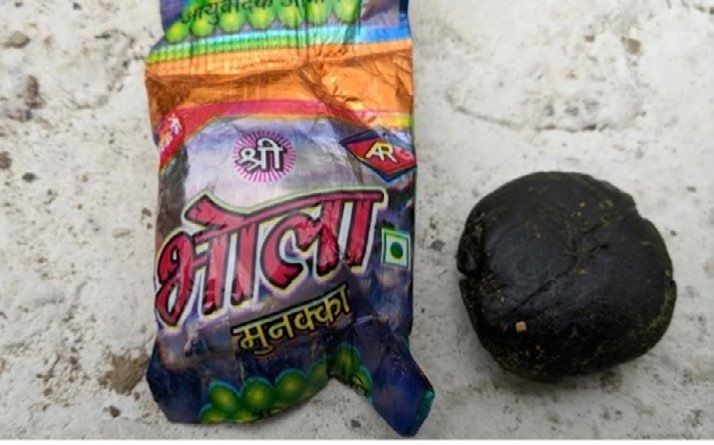
Three types of drugs are produced from the hemp plant in India: bhang or cannabis from the dried leaves and flowering shoots of hemp plants; ganja, which is the dried unfertilised female inflorescences of select varieties; and charas, the crude resin collected by rubbing the tops of the plant with the hands or beating it with a cloth.
Regulations
To some extent, India is very similar to the USA, where cannabis is federally illegal, but where states have been granted some leeway.
India’s cannabis ecosystem is regulated by the Narcotic Drugs and Psychotropic Substances (NDPS) Act of 1985, which bans the producing and selling of cannabis resin and flowers, but which permits the use of the leaves (bhang). This means Indian states are free to regulate the production and consumption of bhang – even though some of them have banned or restricted its use.
Out of 29 states in India, Uttarakhand is the first and only one to permit commercial cultivation of industrial hemp. Legalised hemp farming is also supposed to start soon in the states of Himachal Pradesh and Rajasthan but, at present, Uttarakhand remains the sole local supplier.
Since hemp crops are usually rich and require relatively little water, many other states and hilly regions are considering allowing the controlled production of hemp.
The NDPS Act does not classify cannabis leaves as narcotic drugs. Only when they are attached to the cannabis plant or its flowering or fruiting tops, or when they contain resin from the cannabis plant, are they classified as narcotics.
No logical explanation can be found as to why the seeds and leaves were left out of this law, but it means that unattached leaves are technically legally accessible in India. As a result, India has been happily consuming bhang for the last 27 years.
Collecting excise via licensing
Revenue from bhang is derived mainly from licence fees paid by wholesale and retail licensees, as well as permit fees for transporting bhang. The licensees are allowed to import bhang directly from licensed wholesalers in hemp- producing states, once they have obtained a wholesale licence from the excise department.
No excise duty is levied on the bhang separately. Thus, the revenue from bhang is very low compared to total state excise receipts.
However, most excise departments are in need of effective systems for controlling the procurement and selling of bhang by licensees, as well as for inspecting warehouses and retail shops, and keeping adequate records.
Furthermore, there is a need to ensure transparency when setting bhang licensee fees, due to instances where there have been variations in fees.
Cannabis business in India
The hemp industry in India is worth $2-3 million, with a predicted growth to $500- 700 million over the next few years. The recent announcement by the Food Safety and Standards Authority of India that hemp seed, hemp seed oil and hemp seed flour can now be sold as food or as an ingredient for food, is a welcome move, considering that the global legal cannabis market is projected to grow from $12.8 billion in 2021 to $48.3 billion by 2028.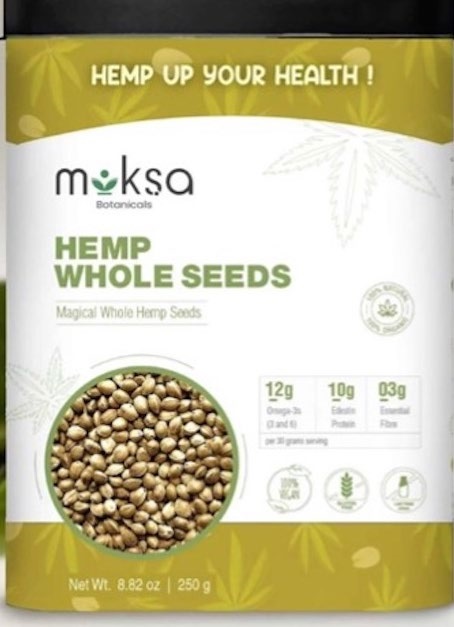
Conclusion
Cannabis has considerable export potential, especially since various sectors, such as food and beverage, personal care, cosmetics, and pharmaceuticals, are taking advantage of its multiple properties.
Perhaps India’s central government needs to provide the proper guidelines, policy, and regulatory framework for the medicinal cannabis industry to flourish. By framing a clear policy, this central authority can thus contribute to the growth of state incomes.
In this way, the vast demand for this drug can be legally fulfilled, thereby reducing the crimes associated with this industry.
Subscriber content
Read the full article
Full access to Tax Stamp & Authentication News™ articles, newsletters and archives.