
Uttar Pradesh’s Ongoing Fight with Illicit Liquor: Two Years of Using Plain Barcode Label

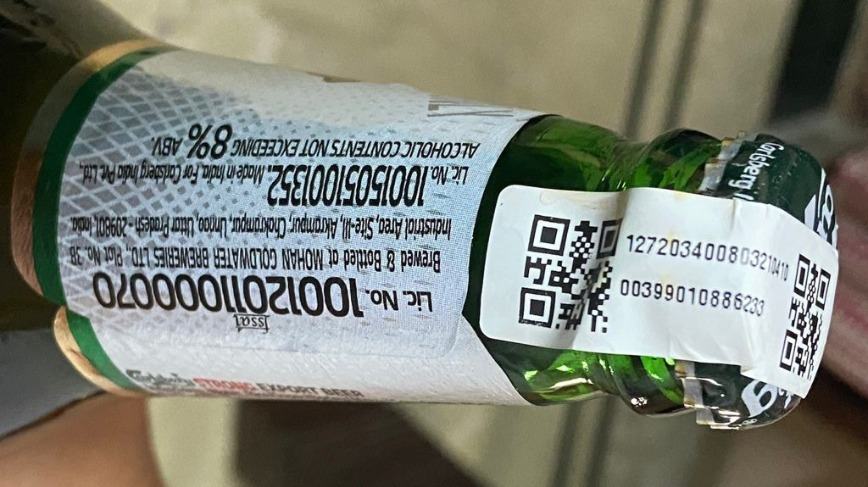
In June, in an unfortunate hooch tragedy (hooch is another word for moonshine – or illicit liquor), more than 100 people lost their lives in the Indian state of Uttar Pradesh. Following the incident, a police raid raised concerns that the state excise policy was inadequate and needed reviewing, especially in relation to the use of tax stamps as an important anti-counterfeiting tool.
During the raid, at an illicit liquor factory run by a government liquor shop contractor, the police seized enormous quantities of spurious liquor, along with over 12,000 fake labels and over 14,000 fake barcodes. The seized liquor was in bottles labelled in various brands and was intended for sale at a government-licensed shop.
Two years using plain barcode label
It’s been more than two years since the Uttar Pradesh State Excise Department switched over to a plain barcode label, replacing the security hologram it previously used as a tax stamp. The decision to switch to these labels was taken in conjunction with a move to implement track and trace technology as part of the state’s 2018-19 excise policy. Since then, there have been many cases of seizures of fake barcode excise labels. Furthermore, in 2019, during a gang bust, police officials recovered 3 million bottle caps, 2.5 million wrappers and 0.5 million QR codes.
Subscriber content
Read the full article
Full access to Tax Stamp & Authentication News™ articles, newsletters and archives.