
Illicit Trade in South Africa – An Experiment in Public Health Goes Wrong

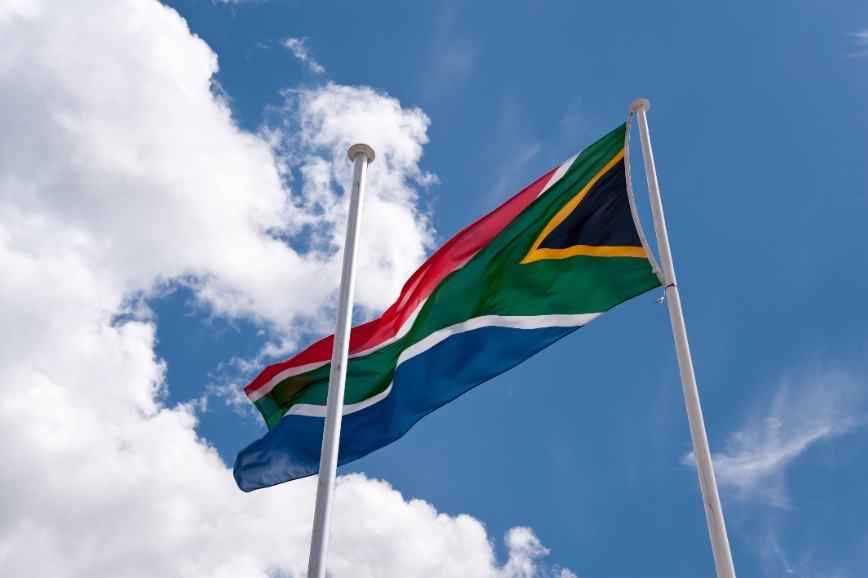
When South Africa banned the sale of all alcohol and tobacco in early 2020, the intent was clear and noble: free up hospital beds so they would be available for COVID patients – and reduce tobacco consumption while a respiratory disease is ravaging the country. Not having alcohol and tobacco available would also suppress big gatherings where super-spreader events could occur, the logic went.
However, after four subsequent sales bans spanning five months in 2020, and as recently as Easter 2021, the data shows that this experiment in public health has created immense unintended consequences likely outweighing the good intentions of the initiative. Illicit trade now runs rampant in South Africa.
It is estimated that 15% of South Africa’s alcohol market is now illicit or run by organized crime, amounting to an annual loss of ZAR 6.4 billion ($437 million) for the state. The combination of ongoing sales prohibitions with partial reopening has resulted in legitimate bars and restaurants selling bootleg liquor. More importantly, there is no plan, path or program to return these illicit sales back into the licit market.
The effects were similar in tobacco. According to the Financial Times, and a research article by renowned tobacco health advocate Luk Joossens, 93% of smokers purchased cigarettes during the lockdown, despite the ban, highlighting how rapidly the illicit market grew.
According to Joossens, before the ban the illicit market in South Africa constituted 30-40% of the total cigarette market. The ban of all tobacco sales was the literal spark in the tinder box that supercharged the illicit market and likely doubled it in size for the duration of the ban.
According to market research conducted by Ipsos, nearly half of South Africa’s cigarette shops and five times as many petrol stations now sell illegal cigarettes, compared with a survey conducted in February. Very concerning for public health, the Ipsos study found that illicit packs sold for as low as ZAR 6 ($0.40) per pack, while the legal minimum price should be ZAR 21.60 ($1.50) – a clear undermining of public health goals.
It is unclear how much of the illicit market will return to licit sales after the ban, but criminal networks will have an incentive to keep their customers. According to Joossens, ‘the illicit cigarette market during the ban became so profitable that it attracted an array of new actors, including crime syndicates and ordinary civilians seeking to make a living amid a worsening economic crisis’.
Furthermore, there is extensive evidence that local manufacturers who were allowed to produce cigarettes for export during the ban increased the volume of cigarettes which they reportedly sent abroad. Multiple sources and reports indicate that some of these products never left the country or were smuggled back to fuel illicit domestic consumption. As Joossens points out, ‘the new illicit distribution networks established during the ban will be hard to control, especially thanks to the extraordinary profits made that can be now invested in circumventing tax administration’.
It is likely that the effects of this ill-advised public health policy experiment will continue to reverberate long after the pandemic and the resulting product sales bans are gone. It will be important for public health, tobacco control advocates, revenue agencies, technology providers and law enforcement to double down on enforcement against the illicit trade.
Sven Bergmann is the founder and CEO of Venture Global and advises brand owners, technology providers and governments on anti-counterfeit strategies, programs and technologies. Send your comments to [email protected].
Subscriber content
Read the full article
Full access to Tax Stamp & Authentication News™ articles, newsletters and archives.