
How Countries Around the World Charge Excise Taxes

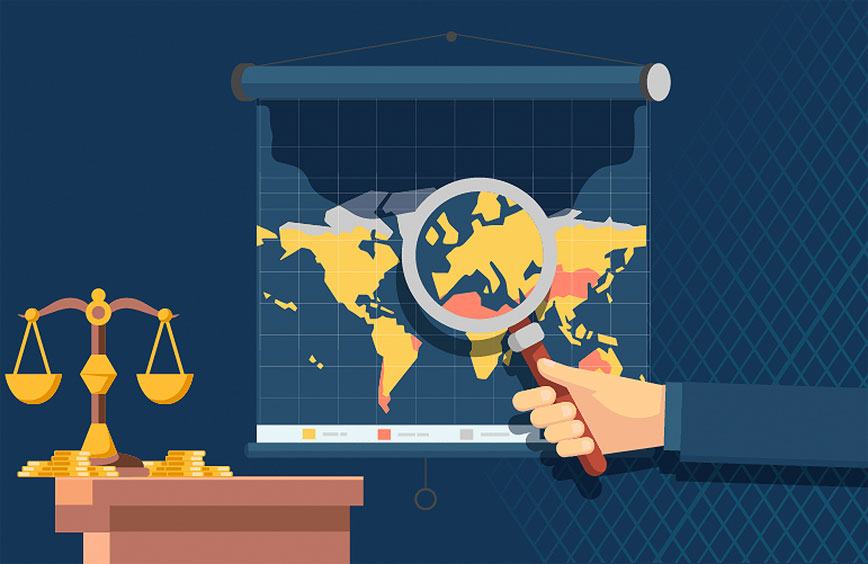
Excise taxes are levied on the sale and use of certain products and services. They are charged directly from businesses and then the costs are passed on to consumers to some extent, often in an obscure way.
Like other taxes based on income and consumption, excise taxes are designed to generate substantial revenue for governments. What is unique about them, however, is that they strategically target specific ‘necessities’ deemed harmful to health and/or the environment.
Instead of criminalising activities such as smoking cigarettes, drinking alcoholic or sugar-based beverages and using marijuana, national, regional and/or local governments implement excise taxes to curb risky behaviour and fund well-thought-out projects or initiatives to help offset their negative effects.
These special taxes, which can come under numerous names, always try to achieve these twin goals. Addressing health and environment issues have become their primary objective these days, though.
Our friends at Fortunly (https://fortunly.com/infographics/taxation-around-the-world-infographic/) agree that excise taxes are usually regressive. These taxes disproportionately affect lower-income consumers, who are as likely to purchase the taxed products and services – like fuel, cigarettes, and alcohol – as wealthy people.
Subscriber content
Read the full article
Full access to Tax Stamp & Authentication News™ articles, newsletters and archives.